

Germany · Bavaria
Munich
A major European city where royal history, serious culture, green spaces and everyday Bavarian life fit comfortably together.
Quick Facts
The Essentials
LOCATION
Bavaria, Germany
POPULATION
Approximately 1.6 million
CURRENCY
Euro (€)
Plan Your Time
RECOMMENDED STAY
4 to 5 days
GETTING AROUND
Excellent MVV public transportation
BEST TIME
May to June; September to December
The Highlights
KNOWN FOR
Beer gardens, palaces, museums & outdoor life
DON'T MISS
English Garden, Residenz & Viktualienmarkt
INTRODUCTION
Why Visit
Munich has been part of my life for as long as I can remember. I grew up about 50 km north of the city and began visiting as a child with my parents and grandparents for shopping trips, the zoo, Circus Krone, the pedestrian center and, every September, Oktoberfest. As I got older, Munich became the place for concerts, festivals, nightlife and eventually long summer stays. I have experienced it not only as a visitor, but through different stages of life.
What I continue to appreciate most is how easy Munich feels despite being a major European city. It has serious museums, opera, concerts, restaurants, shopping, universities, international companies and a busy events calendar, yet it rarely feels overwhelming. The historic center is compact, public transportation reaches almost everywhere, cycling is excellent, and many neighborhoods are easy to explore on foot.
"What keeps bringing me back is not one famous sight, but how naturally Munich combines culture with everyday life. I can visit a major museum or palace, then cycle beside the Isar, sit in a neighborhood café or spend the evening at a concert."
Munich is often reduced to beer, Oktoberfest and expensive cars. Those things are certainly part of the city, but they are only a small part of the story. It is also a place of contemporary art, international restaurants, neighborhood cafés, riverside cycling, outdoor concerts and an unusually strong relationship with parks and public space. You can spend the morning in the Residenz, eat lunch at Viktualienmarkt, cycle beside the Isar, and finish the day at the opera, a beer garden or a concert in Olympic Park.
For a first visit, I recommend at least four full days. That gives you time for the historic center, one or two major museums, a palace or Olympic Park, the Englischer Garten or Isar, and at least one neighborhood beyond the Altstadt. Munich especially suits travelers who enjoy combining major cultural sights with time outdoors and the rhythms of everyday city life.
Browse my Munich guide for ideas and practical tips, or visit Plan & Book to find accommodations, transportation and activities for your trip.

People relaxing beside the Isar River on a summer afternoon in Munich
EXPLORE MORE
Plan Your Visit

Practical Information
Munich is unusually easy to navigate for a city of its size. The U-Bahn, S-Bahn, trams and buses work as one integrated network, while walking and cycling are practical for many trips. A car is unnecessary for most visitors. Cards are widely accepted, but some cash remains useful. The main complication is ongoing construction around München Hauptbahnhof and the central rail network, so check routes before longer journeys and allow some flexibility.
Attractions & Museums
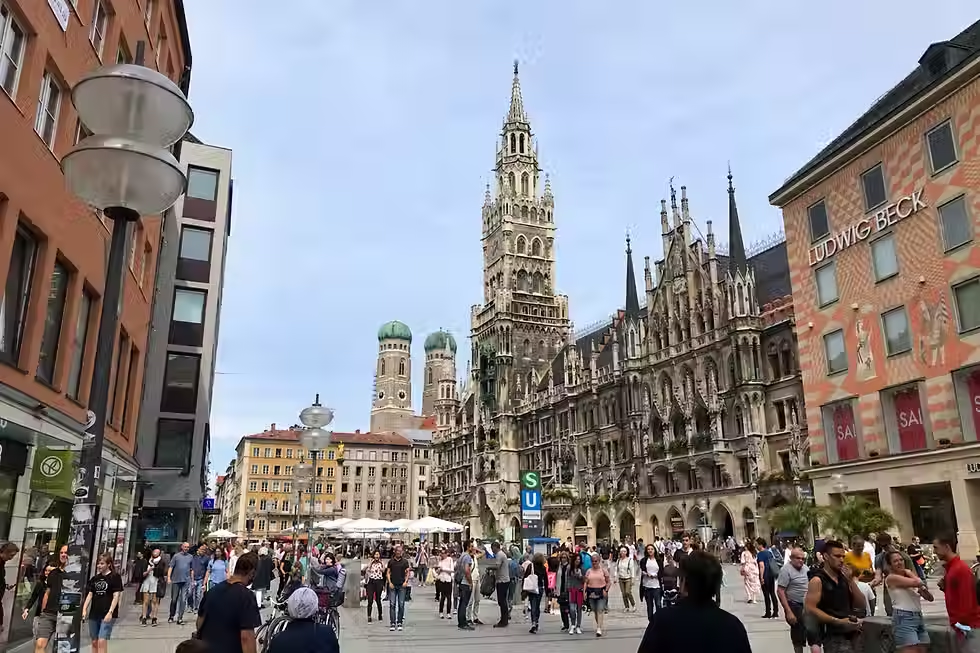
Munich combines royal history, major museums, performing arts and many architectural styles within a city that is relatively easy to explore. I would make the Residenz a priority, then choose cultural stops according to your interests, whether that means the Deutsches Museum, Lenbachhaus, the Pinakotheken, BMW or an evening at the Nationaltheater. Leave time for the Altstadt itself, where churches, courtyards and historic squares are close enough to discover on foot.

Neighborhoods & Parks
Munich’s distinctive neighborhoods and generous green spaces offer plenty to explore alongside the historic Altstadt. Schwabing, Haidhausen, Maxvorstadt and Glockenbachviertel each reveal a different side of local life, while green space is woven deeply into the city. I especially enjoy cycling beside the Isar, wandering through the Englischer Garten and spending time in Olympic Park. Nymphenburg's grounds and the Hofgarten add more formal landscapes, making outdoor time easy to combine with sightseeing.

Food Experiences & Drinks
Munich's food scene reaches far beyond beer halls. Traditional Bavarian dishes are worth trying, but I also regularly eat Vietnamese, Afghan, Italian, Greek and other cuisines here. Some of my favorite experiences are simple ones: browsing Viktualienmarkt, buying excellent bread or pastries, sitting over cake in Schwabing or spending time in a beer garden. My food recommendations include local specialties and places I have personally enjoyed, from casual stops to special-occasion dining.
Festivals & Events
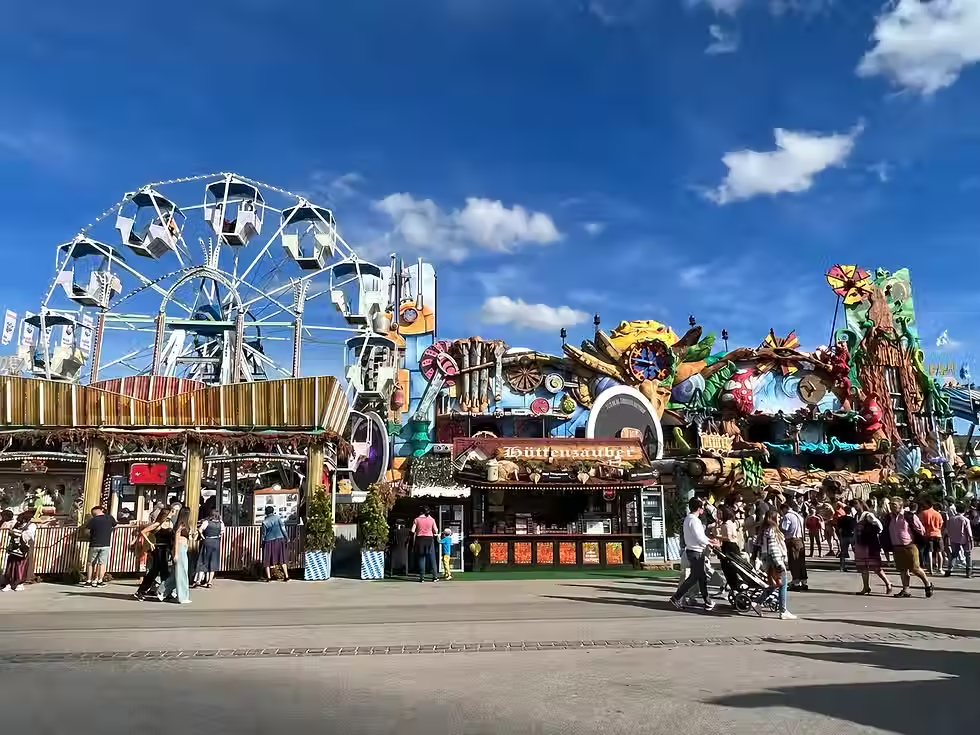
Events are part of Munich's rhythm throughout the year. Oktoberfest is the most famous, but I also enjoy the way summer brings concerts, festivals and outdoor culture to places such as Olympic Park and Odeonsplatz. December transforms the center with several very different Christmas markets, while Fasching adds a more local winter tradition.
Trips & Journeys
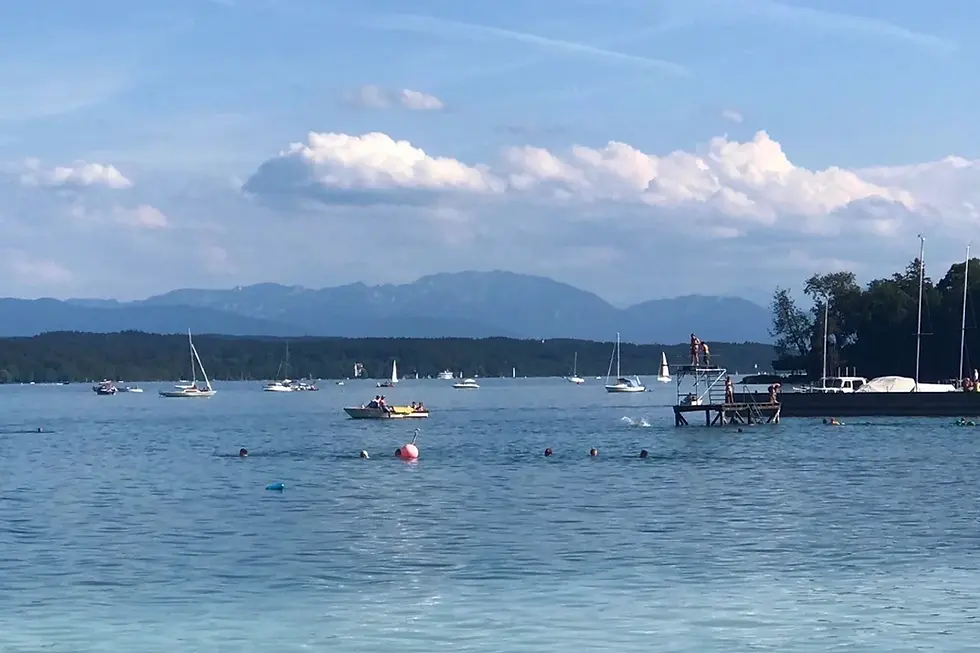
Munich is one of my favorite bases for exploring southern Germany and nearby Austria. Easy rail connections lead to historic cities such as Regensburg, Nuremberg and Salzburg, while lakes and Alpine landscapes can be reached within an hour or two. Some trips, including Lake Starnberg or Chiemsee, work very well in a day; others, such as Salzburg or the Füssen area, become more rewarding with an overnight stay. I focus on journeys I have personally taken and would repeat.
THROUGH THE YEAR
When to Visit
Explore the guides below for practical tips, things to see and do, local food, events and ideas for trips beyond your destination.
SPRING
Add paragraph text. Click “Edit Text” to update the font, size and more. To change and reuse text themes, go to Site Styles.
Add paragraph text. Click “Edit Text” to update the font, size and more. To change and reuse text themes, go to Site Styles.
SUMMER
Add paragraph text. Click “Edit Text” to update the font, size and more. To change and reuse text themes, go to Site Styles.
Add paragraph text. Click “Edit Text” to update the font, size and more. To change and reuse text themes, go to Site Styles.

FALL
Add paragraph text. Click “Edit Text” to update the font, size and more. To change and reuse text themes, go to Site Styles.
Add paragraph text. Click “Edit Text” to update the font, size and more. To change and reuse text themes, go to Site Styles.
Add paragraph text. Click “Edit Text” to update the font, size and more. To change and reuse text themes, go to Site Styles.
WINTER
Add paragraph text. Click “Edit Text” to update the font, size and more. To change and reuse text themes, go to Site Styles.
Add paragraph text. Click “Edit Text” to update the font, size and more. To change and reuse text themes, go to Site Styles.
PLAN YOUR TIME
Suggested Itineraries
These four days build on one another and are how I would introduce Munich to a first-time visitor. Day 1 stays in the historic center; Day 2 adds parks, Olympic architecture and a neighborhood; Day 3 focuses on history, art and performing arts; Day 4 gives you a choice between Nymphenburg and the Deutsches Museum, with the afternoon nearby. Adjust individual museums to your interests, use indoor alternatives when the weather turns, and keep enough unscheduled time for cafés, meals and discoveries along the way.
ONE DAY
The Essential Munich
Start with Munich's historic heart, following a route that introduces the city's major landmarks without turning the day into a race. The center is compact, so much of the experience comes from walking between the sights and seeing how they connect.
Morning
Begin at Stachus and walk along Neuhauser Straße and Kaufingerstraße toward Marienplatz. This pedestrian route brings you naturally into the Altstadt, passing shops, churches and historic buildings along the way.
At Marienplatz, admire the Neues Rathaus and Glockenspiel before continuing to nearby Alter Peter. If the weather is clear, climb the narrow tower stairs for one of my favorite views across Munich's rooftops.
Then walk to Viktualienmarkt, browse the food stalls and have a Brotzeit or an informal lunch such as a Leberkäse or Schweinekrustenbraten roll. Most market stalls close on Sundays and public holidays, so choose a café or restaurant instead on those days.
Afternoon
Walk past the Hofbräuhaus toward Maximilianstraße, Munich's grand avenue, and continue to Max-Joseph-Platz and the Nationaltheater.
Make the Residenz the centerpiece of your afternoon. It may be my favorite palace visit anywhere in Europe. What began as a medieval residence became an enormous complex of state rooms, courtyards and collections, and I discover something new almost every time I return. Allow several hours rather than rushing through it.
Afterwards, continue through Odeonsplatz and into the Hofgarten for a quieter contrast to the palace.
There's excellent cake and coffee just steps away at Cafe Luitpold.
Evening
Afterwards, enjoy the Altstadt after dark rather than squeezing in another attraction.
Finish the evening with a relaxed Bavarian dinner at a Wirtshaus, brewery restaurant or beer garden.

The Residenz and Theatinerkirche while walking through the Hofgarten
TWO DAYS
Parks, Architecture & Neighborhoods
Day 2 shows a very different Munich: greener, more modern and closer to everyday city life. Move from the Englischer Garten to the architecture of the 1972 Olympics and BMW, then finish in Schwabing, the neighborhood I know most intimately.
Morning
Enter the Englischer Garten near the Eisbachwelle. When the wave is operating, watching experienced surfers from the bridge or bank is a wonderfully unexpected start to a park walk. Stay on the bridge or bank as a spectator; swimming and bathing are prohibited at the wave. Check the city’s current notice if seeing the surfers is a priority; conditions and access can change.
If Bavarian art and history interest you, I recommend the Bayerisches Nationalmuseum in its gorgeous palace-like building nearby. Allow at least two hours and make this your main museum today, shortening the park walk and saving the BMW Museum for another visit.
Continue farther into the Englischer Garten on foot or by bicycle. The park is much larger than many visitors realize (bigger than Central Park in New York), and on warm days it fills with people cycling, reading, picnicking and simply spending time outside.
Stop around the Chinesischer Turm for lunch. In good weather, its large beer garden offers a classic Bavarian experience without leaving the park.
Afternoon
Take public transportation to Olympic Park. The sweeping tent roofs created for the 1972 Olympics are what I love most here; more than fifty years later, the architecture still looks remarkably modern. Walk through the park and up one of its hills for views across Munich.
The Olympic Stadium and Olympic Tower are closed for renovation. Enjoy the open park grounds and hilltop views; the Olympiapark visitor information has the latest access updates.
If you kept the morning outdoors, add the BMW Museum and BMW Welt for cars, engineering and design. The museum is particularly well presented and easy to combine with Olympic Park.
Evening
Continue to Schwabing. Walk along Leopoldstraße toward Münchner Freiheit, then slow down for coffee, cake or ice cream. We rented apartments here for several summers, and this is one of the areas where Munich feels most familiar to me.
Stay for dinner and experience the neighborhood after the sightseeing day winds down.

Olympic Park's sweeping tent roof architecture in Munich
THREE DAYS
History, Art & Culture
Use Day 3 to explore parts of Munich that reveal more of its complicated history and cultural importance. Königsplatz and Maxvorstadt place major museums, universities and twentieth-century history close together, making it possible to go deeper without spending the day crossing the city.
Morning
Begin at Königsplatz, one of Munich's most monumental public spaces, and visit the NS-Dokumentationszentrum. It stands on the former site of the Nazi Party headquarters, making the location itself part of understanding Munich's central role in the rise of National Socialism. I consider this one of the city's most important museums, so allow at least two to three hours.
Afterwards, walk around Königsplatz and nearby Karolinenplatz before having lunch in Maxvorstadt. The surrounding universities, museums and cafés give this part of Munich a distinctly different atmosphere from the Altstadt.
Afternoon
Lenbachhaus would be my first choice for its outstanding Blaue Reiter collection and approachable scale. Allow the afternoon to enjoy the collection, then pause for coffee in Maxvorstadt.
For other interests, choose the Alte Pinakothek for Old Masters, the Pinakothek der Moderne for modern art and design, or the Egyptian Museum for ancient history.
Evening
Return to central Munich and see some of the historic buildings illuminated after dark. If possible, attend a performance.
The Nationaltheater is one of the world's great opera houses, while Gärtnerplatztheater offers musicals, operetta, opera and dance in a more intimate setting. Combine the performance with dinner nearby.

Königsplatz with classical architecture in Munich's museum district
FOUR DAYS
Nymphenburg or the Deutsches Museum
For the fourth day, I would choose one larger visit and enjoy the surrounding area. Nymphenburg is the option for palace rooms and gardens; the Deutsches Museum is the choice for science, technology and time beside the Isar.
Morning
Nymphenburg option: Take tram 17 to Schloss Nymphenburg. Tour the palace, then walk through the grounds as formal gardens give way to canals and woodland. Allow a full morning rather than trying to squeeze the palace into a short stop.
Deutsches Museum option: Choose three or four exhibitions that interest you and spend the morning with them. Many current exhibits are interactive. Use the museum’s current exhibition guide to decide what to see.
Afternoon
After Nymphenburg: Have lunch nearby, then choose more time in the palace park or the adjoining Botanical Garden. The smaller park palaces have a seasonal schedule, so check what is open before building the afternoon around them.
After the Deutsches Museum: Take a proper lunch break, then cross into Haidhausen for its small squares and cafés or walk beside the Isar. This keeps the day local and leaves time to enjoy the neighborhood.
Evening
Return to a favorite neighborhood for dinner. For Afghan food, I can recommend Chopan am Gasteig on Rosenheimer Straße; check its current evening hours. Alternatively, have a Bavarian dinner in the Altstadt, then walk through Odeonsplatz and Wittelsbacherplatz with the buildings illuminated.

Nymphenburg Palace reflected in its canal in Munich
My Tips for Your Visit
Munich has been part of my life since childhood, and I still return every year. The Residenz, museums and opera are major reasons to visit, but I would leave just as much room for cycling beside the Isar, sitting over coffee in Schwabing and browsing Viktualienmarkt. Four or five days give you time for both the landmarks and the everyday city I enjoy so much.

THROUGH THE YEAR
When to Visit
Explore the guides below for practical tips, things to see and do, local food, events and ideas for trips beyond your destination.
SPRING
Add paragraph text. Click “Edit Text” to update the font, size and more. To change and reuse text themes, go to Site Styles.
Add paragraph text. Click “Edit Text” to update the font, size and more. To change and reuse text themes, go to Site Styles.
SUMMER
Add paragraph text. Click “Edit Text” to update the font, size and more. To change and reuse text themes, go to Site Styles.
Add paragraph text. Click “Edit Text” to update the font, size and more. To change and reuse text themes, go to Site Styles.
FALL
Add paragraph text. Click “Edit Text” to update the font, size and more. To change and reuse text themes, go to Site Styles.
Add paragraph text. Click “Edit Text” to update the font, size and more. To change and reuse text themes, go to Site Styles.
Add paragraph text. Click “Edit Text” to update the font, size and more. To change and reuse text themes, go to Site Styles.
WINTER
Add paragraph text. Click “Edit Text” to update the font, size and more. To change and reuse text themes, go to Site Styles.
Add paragraph text. Click “Edit Text” to update the font, size and more. To change and reuse text themes, go to Site Styles.