
Nuremberg to Bamberg
Riverside beauty, hilltop history and Franconia’s most distinctive beer
Quick Facts
Route
Starting Point
Nuremberg, Germany
End Point
Bamberg, Germany
Getting Around
Direct train; walking, with buses for longer climbs
Planning
Suggested Duration
1 full day; allow 8–10 hours
Best Time of Year
Late spring–early fall for gardens and riverside walks
Known For
Historic architecture, river views and smoked beer
Highlights
Places Along the Route
- Nuremberg, Germany
- Bamberg, Germany
Don't Miss
The Old Town Hall and cathedral quarter
OVERVIEW
Why Make this Journey
I have visited Bamberg four or five times, and it remains one of my favorite day trips from Nuremberg. The train ride is short, yet the city feels completely different as soon as you reach its historic center. Water runs through the middle of town, crossed by old bridges and framed by timbered houses, while the Altes Rathaus seems to balance in the river itself. Each visit has given me a slightly different view of Bamberg: lively streets and market stalls, quiet corners beside the Regnitz, and the climb toward the cathedral, Neue Residenz and Rose Garden above the rooftops. The old monastery on Michelsberg adds another layer to the skyline. What I enjoy most is that the city feels beautiful without feeling staged. There are important historic sights, but also small shops, traditional restaurants and breweries that make it easy to slow down. Bamberg comfortably fills a day, with enough left for another visit.

Illustrated route from Nuremberg to Bamberg through the Regnitz Valley, passing Fürth, Erlangen, Forchheim and Hirschaid.
EXPLORE
Places & Experiences

Arriving in Bamberg
Direct trains connect Nuremberg with Bamberg throughout the day. Depending on the service, the journey usually takes about 35 to 50 minutes. From Bamberg station, allow approximately 20 minutes to walk into the historic center.
The route along Luitpoldstraße is practical rather than picturesque, but the surroundings become increasingly historic as you approach Maximiliansplatz and the pedestrian streets around Grüner Markt. This is a good place to pause for coffee, browse the shops or visit the weekly market when it is operating.
Grüner Markt and the Altes Rathaus
Continue through the center toward the Regnitz River. One of Bamberg’s defining views appears at the Obere Brücke, where the Altes Rathaus occupies a small artificial island in the river. Its painted façade, half-timbered annex and unusual position make it one of the most memorable buildings in the city.
Take time to look at the Rathaus from both sides of the bridge. The different viewpoints reveal the rushing water, old riverside buildings and the steep streets leading toward Cathedral Hill. This area can become busy, but early morning and late afternoon are generally quieter.
Cathedral Hill
From the river, walk uphill through the old streets toward Bamberg Cathedral. The climb is noticeable but manageable, with historic buildings and small shops providing plenty of reasons to stop along the way.
The cathedral quarter contains three of Bamberg’s most important historic sites:
Bamberg Cathedral, known for its four towers, the medieval Bamberg Horseman and the tomb of Emperor Henry II and Empress Kunigunde.
Alte Hofhaltung, the atmospheric former court complex beside the cathedral.
Neue Residenz, the former residence of Bamberg’s prince-bishops.
If time permits, tour the rooms of the Neue Residenz. Otherwise, continue into its Rose Garden. The garden is especially attractive when the roses are flowering, but the view across Bamberg’s roofs and church towers makes it worthwhile in any season.
Lunch and Bamberg’s Beer Tradition
Return toward the Sand district for lunch. Bamberg is one of Germany’s great brewing cities and is particularly associated with Rauchbier, or smoked beer. The malt is dried over a wood fire, producing a distinctive smoky flavor that some visitors love immediately and others need time to appreciate.
Schlenkerla is the best-known place to try it, but Bamberg has several historic breweries and brewery taverns. Rauchbier is worth sampling, even if you begin with a small glass. Traditional dishes commonly found in local restaurants include Schäuferla, roasted meats, bratwurst, dumplings and seasonal Franconian specialties. Vegetarian choices are increasingly available, although the oldest brewery menus still tend to focus on meat.
Bamberg is also associated with the Bamberger Hörnla, a small local potato variety. The same name is used for a croissant-like pastry, so what arrives will depend on whether you are visiting a market stall or a bakery.
Little Venice and the Riverside
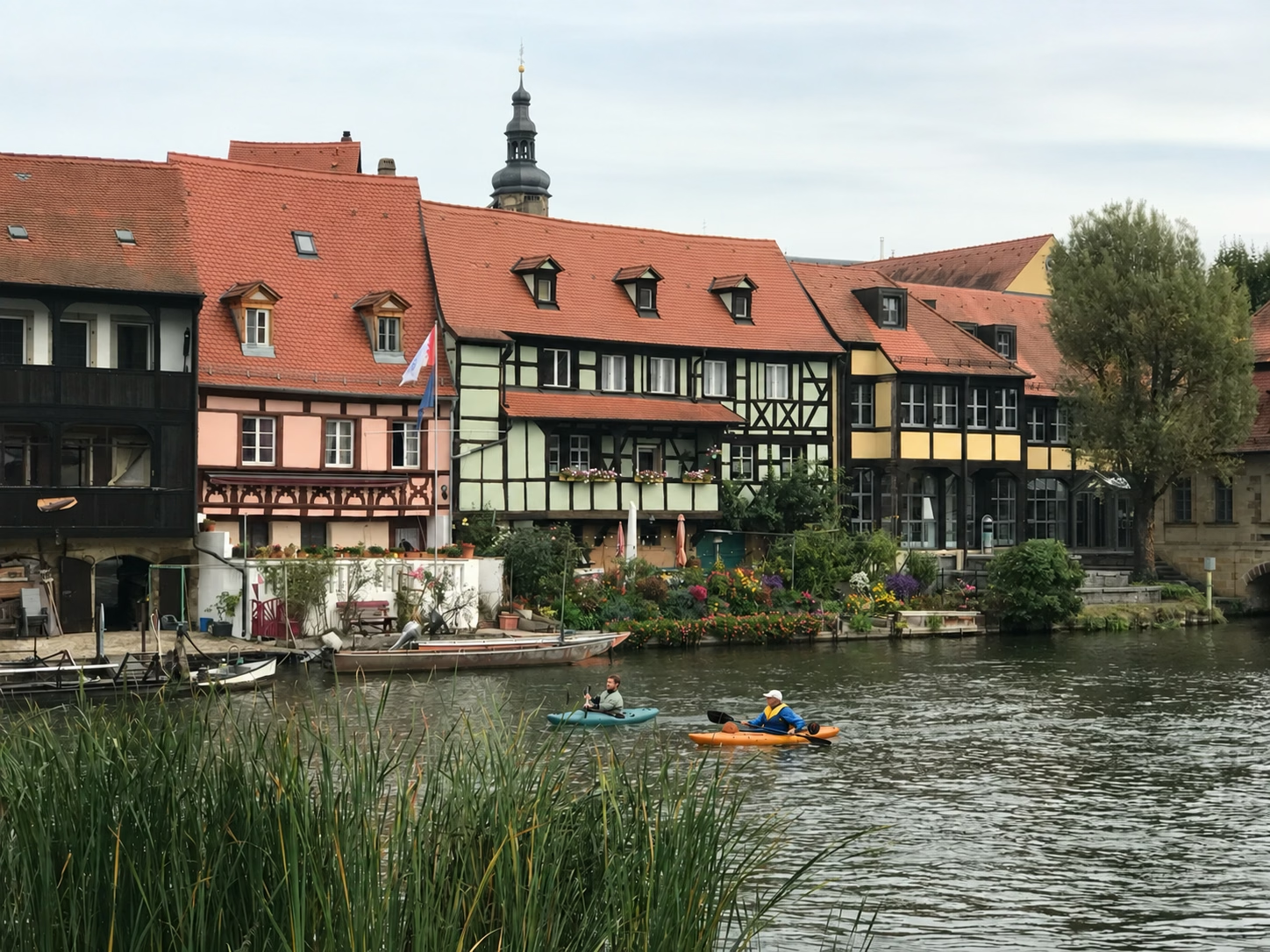
After lunch, follow the river toward Klein Venedig, or Little Venice. This former fishing settlement consists of narrow houses, small gardens and balconies lining the Regnitz. The best views are from the opposite bank and the nearby bridges.
A seasonal boat tour offers another perspective on the river, although it is not essential for a first visit. Walking beside the water leaves more flexibility for photography, shopping and spontaneous stops at cafés or small stores.
Michelsberg or More Time in the Center
If you still have time and energy, climb toward the former Benedictine Abbey of St. Michael on Michelsberg. The large monastery complex is an important part of Bamberg’s skyline and offers another elevated perspective over the city. The restored church reopened in 2026. Check current opening hours and tour arrangements before planning an interior visit.
An easier alternative is to remain near the river, explore more of the old town or stop at another café or brewery. Bamberg rewards wandering, and removing the final hill is better than rushing through the rest of the day.
From the historic center, allow 20 to 25 minutes to walk back to the station.
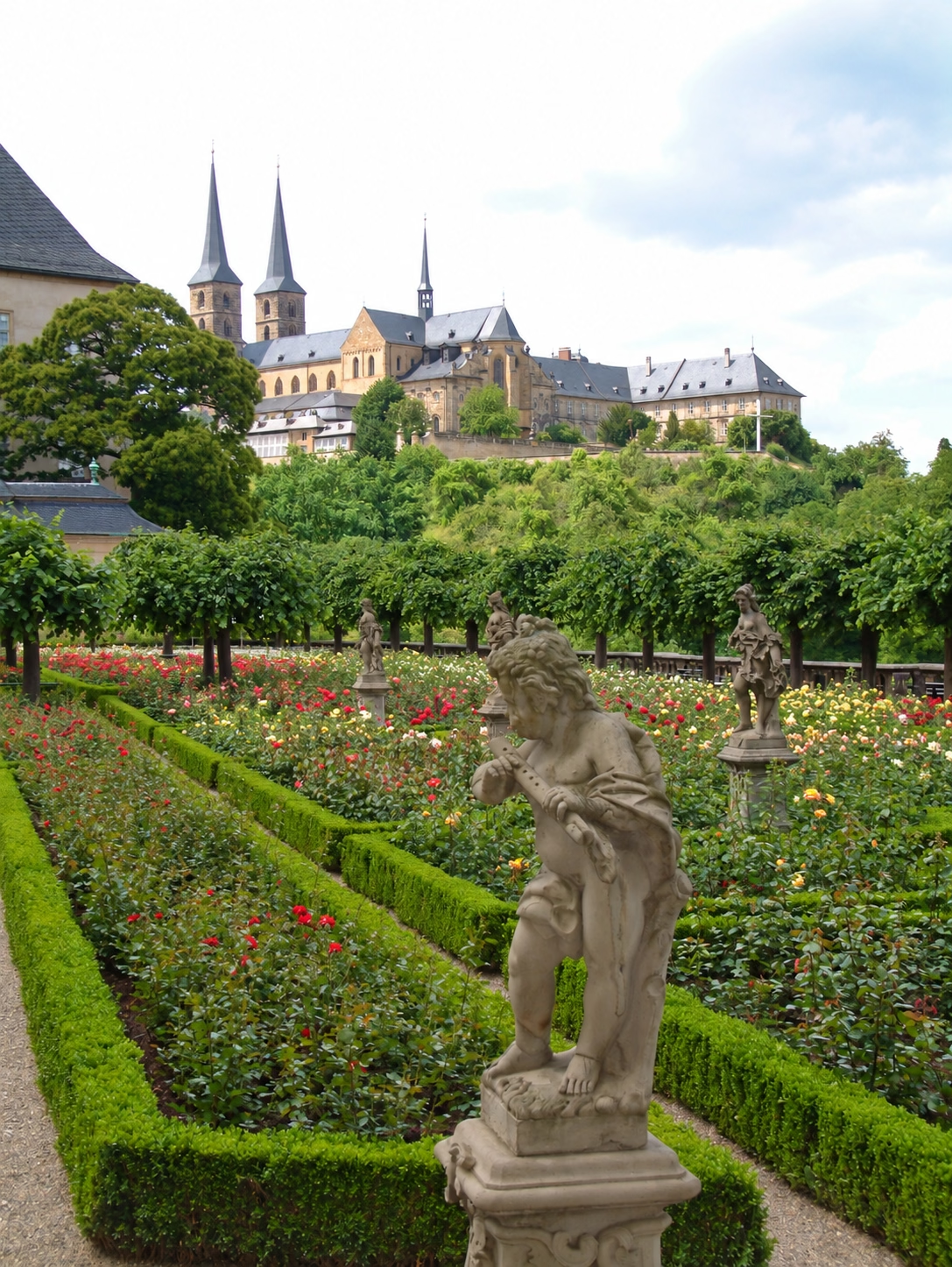
Roses and Baroque statues in the Neue Residenz garden, with Michelsberg Abbey rising above Bamberg.
How to Get There
Starting point: Nürnberg Hauptbahnhof
Destination: Bamberg Hauptbahnhof
Travel time: Approximately 35 to 50 minutes each way
Best option: A direct regional train is usually the simplest choice.
Tickets: The Deutschlandticket is valid on regional services but not on ICE trains. Also compare VGN day tickets and Deutsche Bahn regional offers, particularly when traveling with another person.
Driving: Driving normally takes about one hour, but a car is unnecessary once you arrive. Train travel avoids parking and makes it easier to enjoy a local beer.
Check the connection shortly before departure, as travel times and platform information can change.
Getting Around
Bamberg’s historic center is best explored on foot. Most major sights are relatively close together, but cobblestones, bridges and the climb to Cathedral Hill make comfortable shoes important.
Local buses can help visitors with limited mobility reach higher parts of the city. Bicycles are useful outside the center but less convenient on crowded pedestrian streets. Seasonal boat tours provide an optional break from walking.
How Much Time to Plan
Allow a full day for this trip:
Train travel: 35 to 50 minutes each way
Time in Bamberg: Six to eight hours
Total excursion: Approximately eight to ten hours
Recommended departure: Between 8:00 and 9:00 in the morning
Recommended return: Early evening, or later if staying for dinner
A half-day visit is possible, but it would require choosing between the cathedral quarter, a proper meal and the riverside areas.
Who Will Enjoy This Trip?
Bamberg is particularly well suited to:
Travelers interested in medieval and Baroque architecture
Visitors who enjoy walkable historic centers
Photographers and anyone drawn to riverside scenery
Beer enthusiasts and travelers interested in regional food
Couples, families and independent travelers looking for an easy rail excursion
Visitors who prefer exploring streets, shops and cafés alongside major landmarks
It may be less suitable for people who dislike cobblestones and hills, although buses can reduce some of the walking. Visitors looking for extensive nightlife or large modern attractions may also find the city quieter than expected.
Should You Stay Overnight?
An overnight stay is not necessary for the main sights. Bamberg is close enough to Nuremberg that the journey works comfortably in one day.
Staying overnight becomes worthwhile if you want to:
Visit several breweries without watching the return schedule
Experience the old town after the day-trip crowds leave
Add Altenburg Castle, museums or a longer boat excursion
Attend a concert, festival or evening performance
Explore the surrounding Franconian brewery countryside
For a first visit focused on the old town, cathedral and river, return to Nuremberg in the evening.
What Makes Bamberg Special?
Bamberg combines an unusually well-preserved historic city with a landscape of rivers, canals and hills. Its medieval street plan, Baroque architecture and historic gardening district contributed to its designation as a UNESCO World Heritage Site in 1993.
The city also feels lived in. Its famous buildings sit among markets, independent shops, apartments, restaurants and working breweries. This balance keeps Bamberg from feeling like an open-air museum.
Historic Significance
Bamberg became an important religious and political center when Emperor Henry II established the bishopric in 1007. Cathedral Hill developed as the ecclesiastical center, while merchants, fishermen and gardeners occupied different areas below.
The result is a city in which medieval planning, ecclesiastical power, Baroque architecture and everyday urban life remain unusually easy to understand. The cathedral contains the tomb of Henry II and Kunigunde as well as that of Pope Clement II, the only papal burial site in Germany.
Cost
Bamberg is a relatively affordable day trip.
The historic center, cathedral, bridges, riverbanks and Rose Garden can be enjoyed without admission charges.
Budget for train tickets unless covered by an existing regional pass or Deutschlandticket.
The Neue Residenz, museums and boat tours require separate tickets.
Brewery restaurants are generally moderately priced.
Your main expenses will be transportation, lunch, drinks and any optional admissions.
Annual Events
Bamberg Blues & Jazz Festival: Usually held in August, with free performances at stages around the city center.
Sandkerwa: Bamberg’s major traditional festival, normally held over several days in late August in the Sand district. Expect music, food, beer and very large crowds.
Christmas markets: Held during Advent around the historic center, with seasonal food, crafts and decorated streets.
Bamberg Symphony: Concerts take place throughout the year and can provide a good reason to stay overnight.
Event schedules change annually. Accommodation and trains can become busy during Sandkerwa and the larger summer festivals, so check dates before finalizing the trip.
For one day, I would keep the cathedral quarter, river walk and a proper meal. Choose the Neue Residenz interior or the extra climb to Michelsberg according to your interests and the time left.
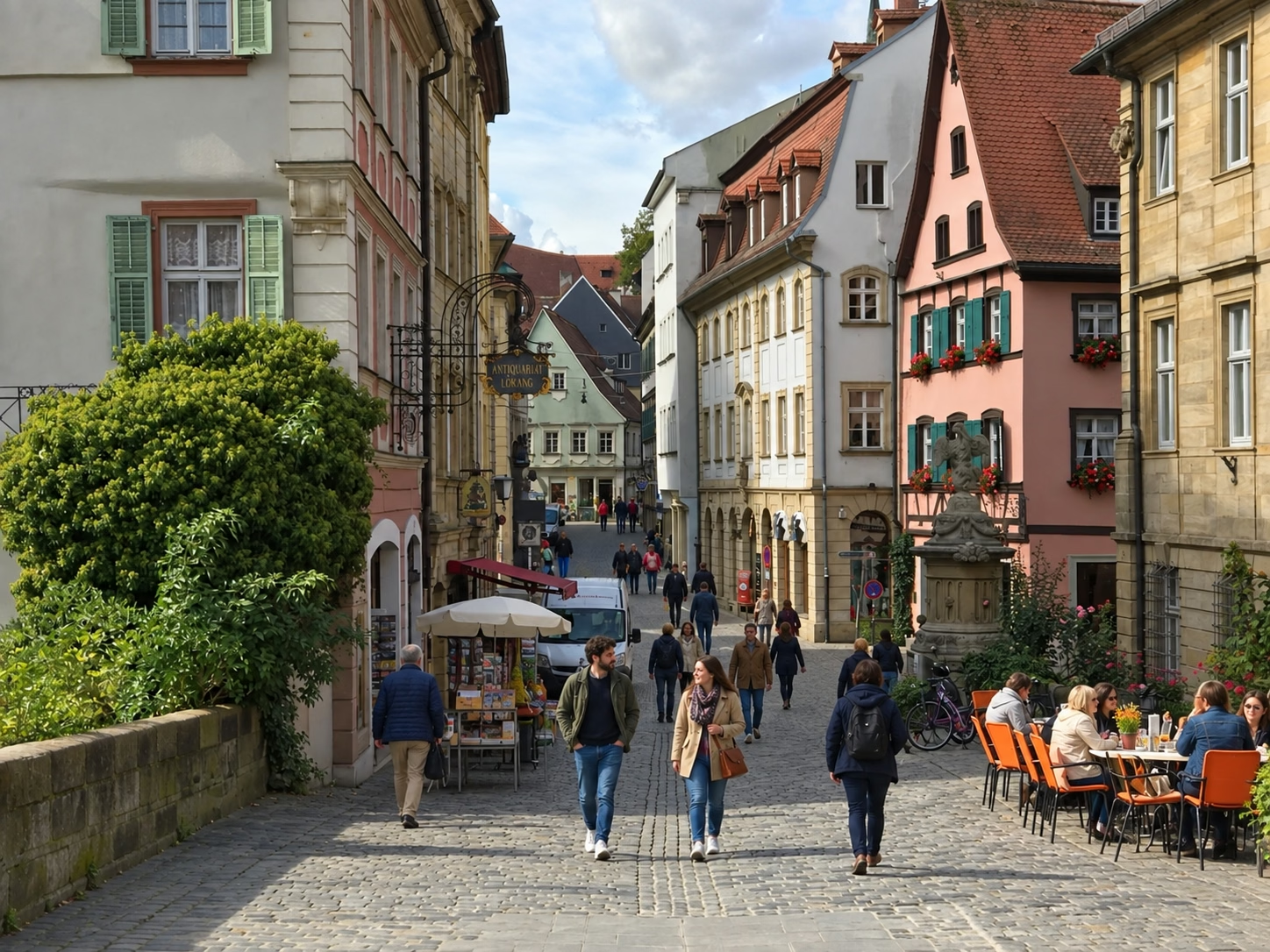
Cobblestoned street lined with colorful historic buildings and cafés in Bamberg’s hilly Old Town.