

San Francisco
Bay views, distinct neighborhoods and a city I keep rediscovering.
LOCATION
California, United States
POPULATION
Approximately 826,000 (2025)
CURRENCY
US dollar (USD)
RECOMMENDED STAY
4 to 5 days, plus regional trips
GETTING AROUND
Walking, Muni, BART, ferries & cycling
BEST TIME
Spring and early autumn; cool summers
KNOWN FOR
Golden Gate Bridge, bay views & diverse neighborhoods
DON'T MISS
Bay cruise, Golden Gate Park & the waterfront hikes
INTRODUCTION
Why Visit
I first visited San Francisco in 1998 and moved to the Bay Area in 1999 to attend university. Since then, the city has been part of both my personal and professional life. I spent around ten years running sales and marketing for a popular sightseeing company, which gave me a particularly close connection to the waterfront and a chance to see San Francisco through the eyes of visitors.
What keeps me excited about San Francisco after more than 25 years is its combination of vibrant city life and beautiful coastal landscapes. I also appreciate the freedom to be yourself and let others do the same, an outlook I have long associated with life in Northern California and continue to find refreshing.
The city sits at the northern tip of the San Francisco Peninsula, with the Pacific to the west and the bay to the east. The Golden Gate Bridge connects San Francisco with Marin County, spanning the strait between the Pacific Ocean and San Francisco Bay. The city’s familiar description as roughly seven miles by seven miles captures its compact feel, although the hills make distances more demanding than they look on a map.
I love walking in San Francisco because there is always something to see. Chinatown’s busy shopping streets give way to North Beach’s Italian cafés and restaurants, while the waterfront offers changing views of the bay, passing boats and the Golden Gate Bridge. These neighborhoods are close together, yet each has its own character.
One of my favorite walks follows the waterfront from the Ferry Building through Fisherman’s Wharf, Aquatic Park, Fort Mason and Crissy Field. It is a substantial route, but you can easily explore it in sections. Along the city’s Pacific shoreline, the coastline can feel surprisingly wild for somewhere still inside a major city. The light and weather change constantly, so even familiar places rarely look quite the same.
Beyond its scenery and neighborhood walks, San Francisco has major museums, excellent live music and theater, and an unusually varied food scene. I recommend staying at least four or five nights to give yourself time to explore.
I would also save the rental car for after your city stay. Parking is expensive and can be difficult to find, while walking, public transportation, taxis and ride services make it easier to get around without one. Allow extra time for trips into the surrounding regions, too. Northern California has a lot to offer.
If you're planning a trip to San Francisco, browse travel experiences on Klook via this paid link.
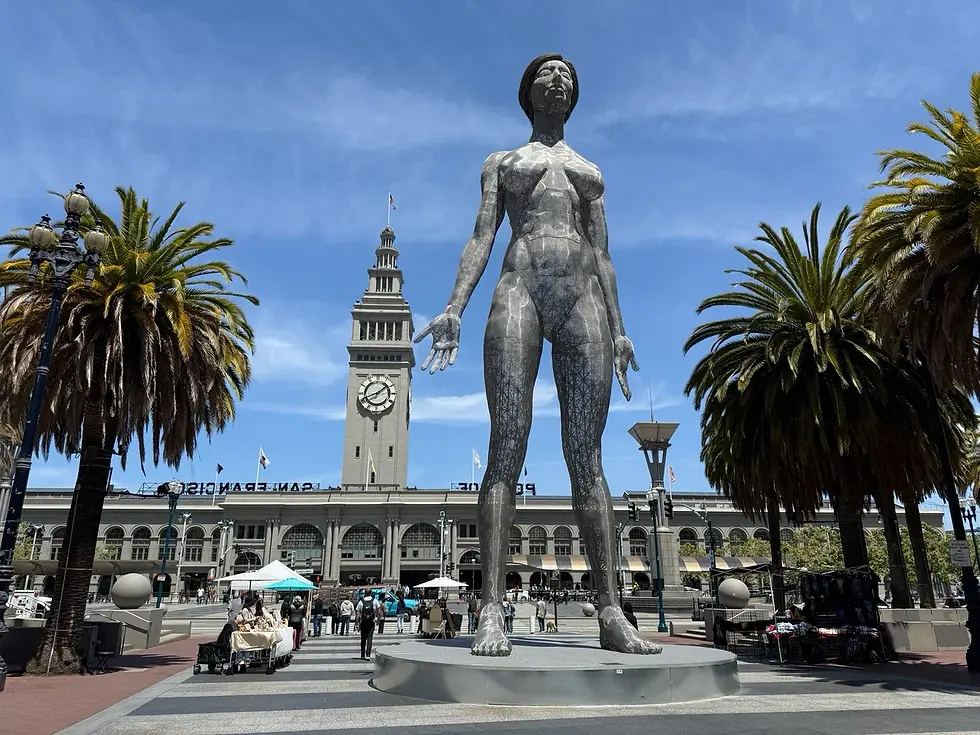
Large sculpture of a woman in front of the Ferry Building and palm trees.
EXPLORE MORE
Plan Your Visit
For me, the best trips leave room for both the places you planned to see and the unexpected discoveries along the way. These guides bring together practical advice, local food, events and ideas for exploring beyond the main sights, based on what I have learned from my own travels.
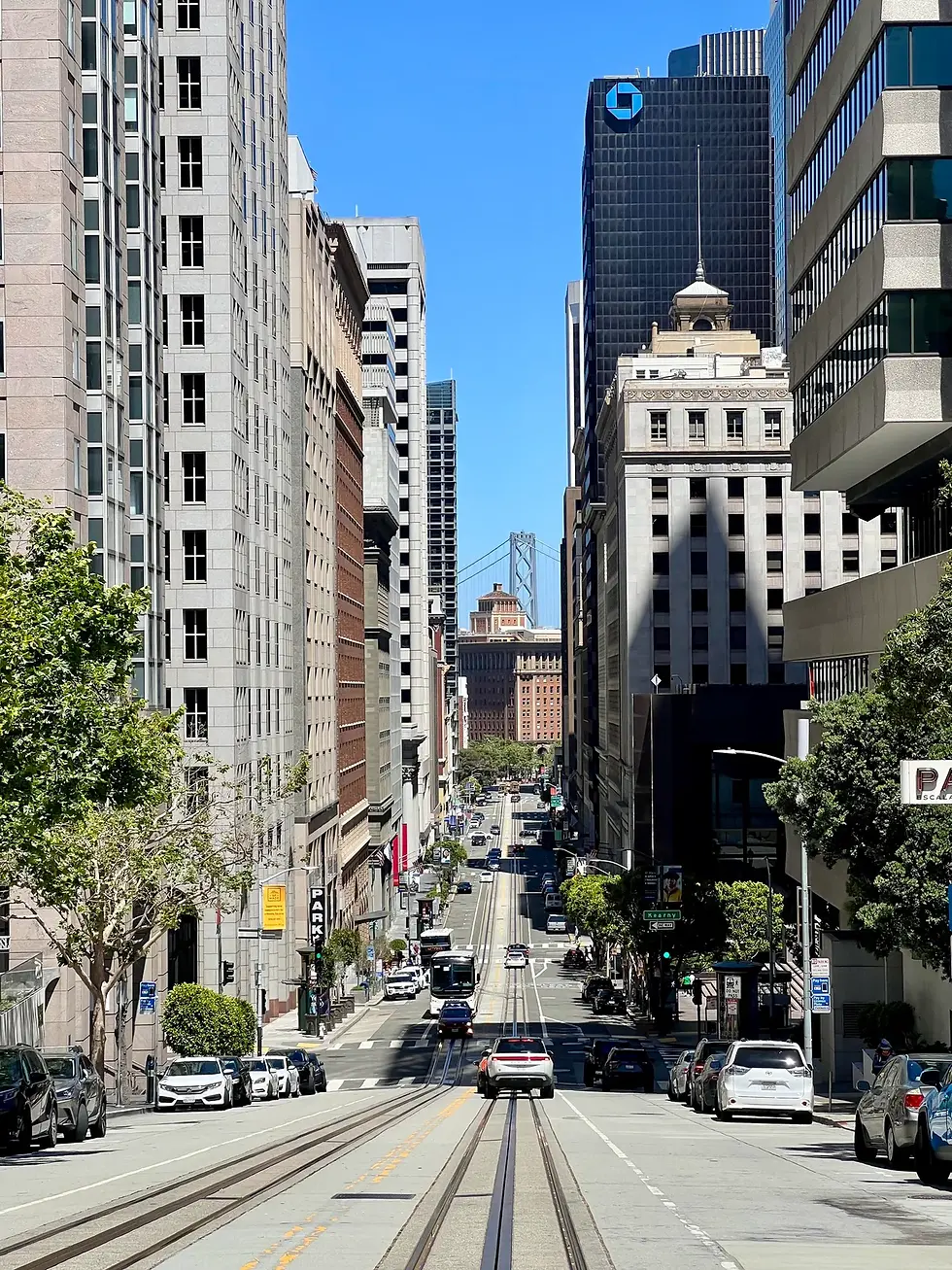
Practical Information
San Francisco is easiest to explore with a mix of walking and public transportation, comfortable shoes and a warm layer for the wind. Airport transfers and journeys around the Bay Area involve several transit operators, so understanding the connections helps. Here I share advice on getting around, seasonal weather, costs and reservations, including why I would save the rental car for trips beyond the city. Expect neighborhood hills, cool summer evenings and weather that can change within a few blocks.

Attractions & Museums
San Francisco’s famous sights are worth seeing, from Alcatraz and a cruise on the bay to a cable car ride over the hills. I would combine them with neighborhood explorations, city hikes and time for the arts and sciences. Maritime history along the waterfront, museums in Golden Gate Park and evenings at the theater reveal different sides of the city. Here are the sights and experiences I would build a visit around, with room for discoveries along the way.
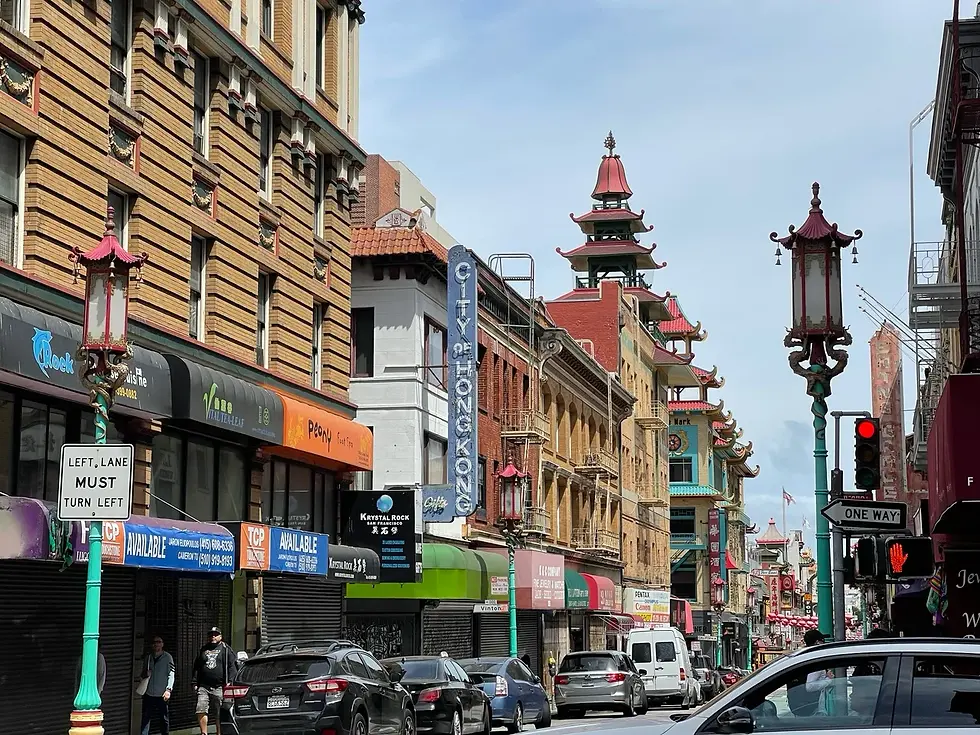
Neighborhoods & Parks
San Francisco changes character remarkably quickly as you move between neighborhoods. Chinatown's produce shops, North Beach's Italian cafés, the Mission's Latino businesses and the Castro's LGBTQ+ history all belong to the same compact city. Just as striking is how quickly the streets give way to open space: waterfront paths, Golden Gate Park and the coastal trails can fill entire days. Walking is one of my favorite ways to connect these different sides of the city.

Food Experiences & Drinks
I think San Francisco has one of the best food scenes in the country, partly because eating well does not have to mean a formal meal. A Mission burrito, North Beach focaccia or a bowl of Vietnamese pho can be as memorable as a special dinner at a Michelin-starred restaurant. I like browsing the Ferry Building, finding places along neighborhood shopping streets and mixing the city's seafood and sourdough traditions with its many Asian and Latin American cuisines. Come with an appetite and a culinary sense of adventure.
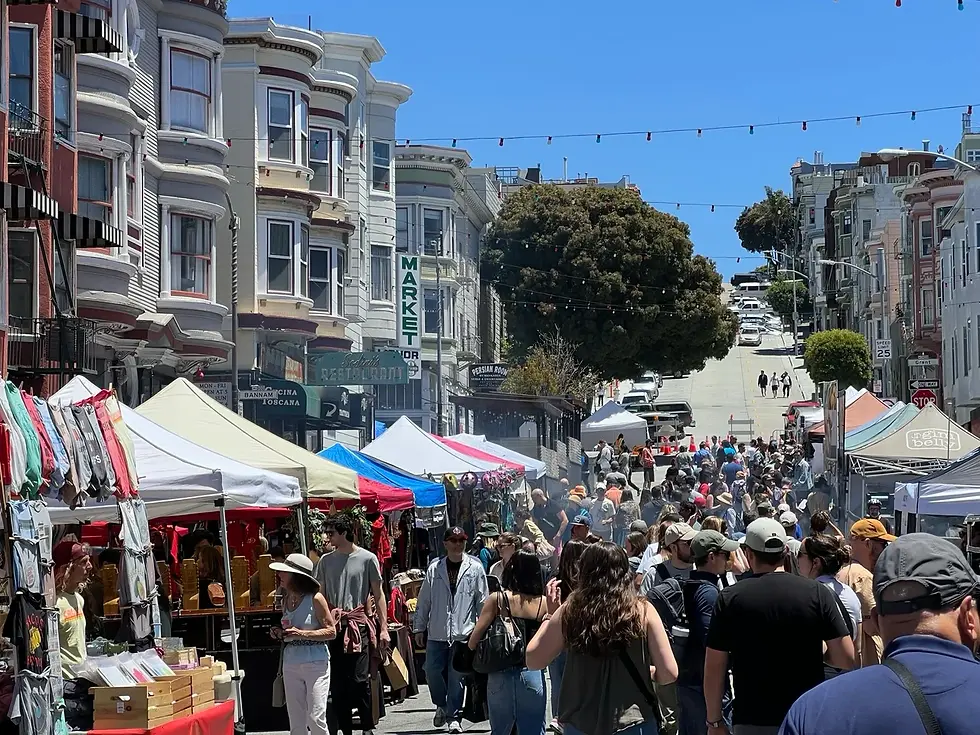
Festivals & Events
San Francisco's events reflect the communities that make the city interesting. Pride, Lunar New Year and Japantown's cherry blossom festival bring very different celebrations, while I have especially enjoyed international dance performances and the Fillmore Jazz Festival. Outside Lands, Hardly Strictly Bluegrass and Stern Grove add outdoor music options. Fleet Week makes the bay a stage, and baseball, theater and concerts offer reasons to plan an evening out throughout their seasons.
Trips & Journeys
San Francisco is also a starting point for very different California and Nevada trips. Head north across the Golden Gate Bridge for Marin's coastal trails and redwoods, then continue along the Sonoma Coast to Mendocino. Sonoma and Napa wine country offer additional inland options. South lie Santa Cruz, Monterey, Carmel and the coastal route toward Los Angeles. Inland, Yosemite and the Lake Tahoe–Reno loop deserve several nights. These six routes draw on trips I have taken, distinguishing day outings from longer journeys.
PLAN YOUR TIME
Suggested Itineraries
These four days introduce the San Francisco I enjoy: the working waterfront and bay, neighborhood streets and cable cars, Golden Gate Park, and the open landscapes near the bridge. They build on one another without trying to fit every museum into the same visit. Book Alcatraz first if it matters to you, then move the outdoor days around the weather.
ONE DAY
The Waterfront & San Francisco Bay
This day explores San Francisco from the shoreline, the hills above it and the water itself. Start among the Ferry Building’s food shops, walk through historic waterfront neighborhoods and take a cruise for a different perspective on the city. Along the way, choose between hands-on science and a climb up Telegraph Hill, then finish with maritime history and views toward the Golden Gate Bridge.
Morning
Begin at the Ferry Building for breakfast and a browse through the food shops. If a farmers market coincides with your visit, allow extra time for the stalls. Follow the Embarcadero north past the historic piers, looking back occasionally as the Ferry Building and Bay Bridge recede behind you.
At Pier 15, the Exploratorium is an option for anyone interested in science, art and human perception. Its interactive exhibits encourage you to experiment and question how things work. Give it a substantial part of the morning if you go inside, then continue directly along the waterfront toward Fisherman’s Wharf.
For a morning focused on walking and city views, continue instead to Levi’s Plaza near the Levi Strauss headquarters, then climb the Filbert Street Steps toward Coit Tower. The stairways and hillside gardens make the climb an experience in itself. At the tower, look at the historic murals and, if the elevator is operating, go up to the observation deck for views across the city and bay.
Walk down into North Beach, passing Washington Square and browsing the cafés and shops along Columbus Avenue. Stop for a coffee if you feel like a break, then continue toward Fisherman’s Wharf and Pier 39 to see the sea lions.
Afternoon
Have lunch around the Wharf. I always liked eating at Darren’s Cafe on Taylor Street, close to the Fisherman’s Wharf sign.
Make a bay cruise the main afternoon activity. Sailing beneath the Golden Gate Bridge and past Alcatraz is one of the experiences I most strongly recommend in San Francisco. For a broader view of the waterfront and skyline, consider a longer cruise that also passes beneath the Bay Bridge. Check the departure pier when booking, as cruises leave from different locations around the Wharf. These sightseeing cruises do not include landing on Alcatraz.
Afterwards, consider visiting the USS Pampanito at Pier 45. Walking through this World War II submarine gives you a very different sense of life at sea, particularly the confined spaces in which its crew lived and worked.
Continue west toward Aquatic Park and Ghirardelli Square for a waterfront walk or a chocolate stop. If you still have energy, follow the path uphill into Fort Mason, where views open toward Marina Green and the Golden Gate Bridge. After a longer museum visit or cruise, Aquatic Park also makes a good place to finish the walking portion of the day.
Evening
By now, you will have had a full day, so I would return to the hotel to freshen up and relax before dinner. If you are staying near Union Square, the Powell–Hyde cable car from Hyde and Beach Streets, beside Aquatic Park and near Ghirardelli Square, can make the journey back part of the experience. From Fort Mason, walk back to the waterfront terminus if you want to take this route. I particularly enjoy riding a cable car on a foggy evening.
Head to North Beach for an Italian dinner or Chinatown for its broad choice of Chinese restaurants. Choose somewhere convenient for your hotel and appetite, rather than adding another long sightseeing walk.
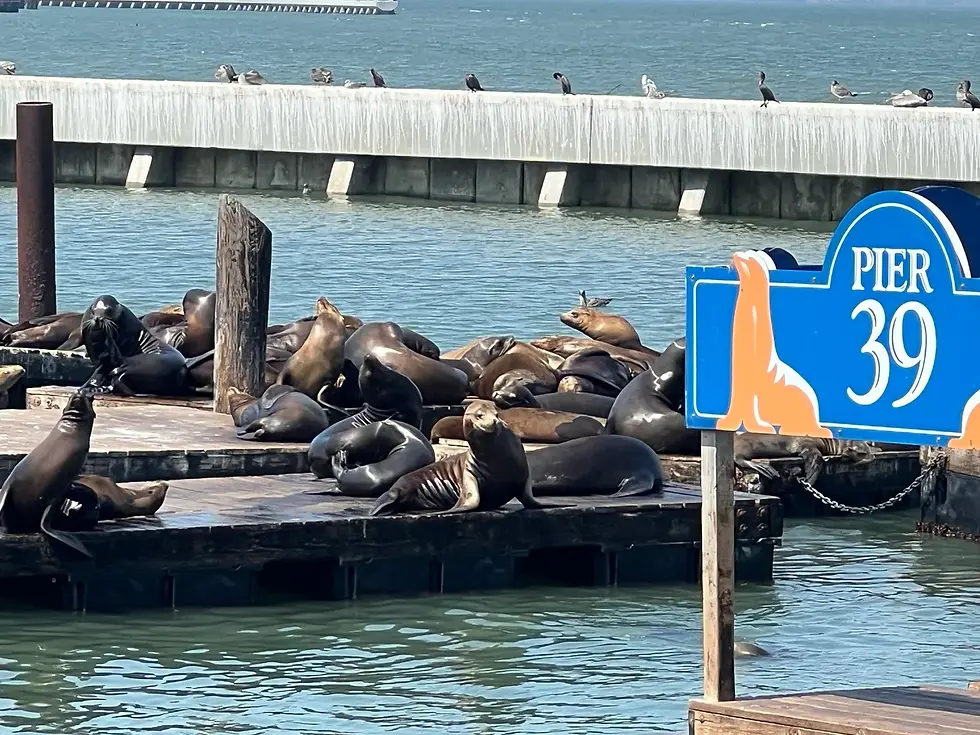
Sea lions resting together on floating docks at Pier 39 in San Francisco, with seabirds perched on the breakwater behind them.
TWO DAYS
Alcatraz, Chinatown & Nob Hill
This day combines an island visit with neighborhood streets, literary history and the grand buildings of Nob Hill. Start with Alcatraz, then explore North Beach and Chinatown before seeing the machinery behind San Francisco’s cable cars. Choose an early ferry departure to leave enough time for the afternoon, with the museum ship, Lombard Street and shopping as optional additions.
Morning
Take a prebooked Alcatraz ferry from Pier 33. Allow most of the morning for the crossing, uphill walk, cellhouse audio tour and the island’s other exhibits. The recorded voices bring the prison’s history to life, but its military past and Native American occupation also deserve attention. Leave time to step outside and look back toward the city across the water.
After returning, walk toward Pier 39 to see the sea lions. Along the way, the SS Jeremiah O’Brien at Pier 35 offers an optional stop for maritime history enthusiasts. This World War II Liberty ship gives you a sense of the cargo vessels and crews that supported the Allied war effort. If you visit aboard, keep the afternoon’s neighborhood stops shorter.
On route to lunch in North Beach, detour towards Lombard Street’s famous winding block between Hyde and Leavenworth Streets for a quick look and photo.
Afternoon
Have lunch in North Beach, follow Columbus Avenue toward City Lights Booksellers & Publishers at Broadway. Its connection to the Beat Generation makes it a landmark of San Francisco’s literary history, but it is also worth browsing simply as a bookstore. Neighboring Jack Kerouac Alley connects Columbus Avenue with Grant Avenue at the edge of Chinatown.
Explore both Grant Avenue’s visitor-facing shops and Stockton Street’s produce markets, meat and seafood businesses. The contrast helps show Chinatown as both a visitor destination and a neighborhood where people live and shop.
Turn into Ross Alley for the Golden Gate Fortune Cookie Factory, where you can watch cookies being folded when production is underway. Continue through Waverly Place, looking up at the balconies and colorful building details. A bakery stop for a pork bun or egg tart makes a good break between walks.
Head uphill to the Cable Car Museum at Washington and Mason Streets. You can see the working machinery and large winding wheels that pull the cables beneath the streets, alongside historic cars and displays explaining the system. Understanding what happens below the roadway makes the next cable car ride more interesting.
If shopping appeals more than the museum, continue south along Grant Avenue to the Dragon Gate at Bush Street, then walk toward Union Square for shops and window-shopping. Make this an alternative afternoon finish before heading up to Nob Hill.
Evening
Explore Nob Hill around the Fairmont and Grace Cathedral. I like the elegant setting, with grand buildings, steep streets and views toward downtown and the bay. Step inside the cathedral if it is open to visitors, then take the California Street cable car for a ride down toward the Financial District. Then have dinner in the Ferry Building or at one of the nearby waterfront restaurants, and enjoy views of the illuminated Bay Bridge.

A steep San Francisco street descending toward the bay, with hills across the water.
THREE DAYS
Golden Gate Park, Haight-Ashbury & Neighborhood Life
This day brings together San Francisco’s counterculture history, major museums, gardens and LGBTQ+ heritage. Begin in Haight-Ashbury, then explore Golden Gate Park before finishing in the Castro. Shape the afternoon around your interests: stay near the museums and gardens, or make a longer walk through the park to Ocean Beach, with Twin Peaks as an optional stop in clear weather.
Morning
Have breakfast in Haight-Ashbury, then walk along Haight Street past vintage clothing shops, record stores and colorful Victorian buildings. The neighborhood’s connection to the 1960s counterculture is still visible in its shopfronts and street life. Early in the morning, window-shopping is more realistic than browsing inside every store, so allow a later museum arrival if shopping is a priority.
Continue west into Golden Gate Park and walk toward the Music Concourse, where the California Academy of Sciences and the de Young face one another across landscaped gardens and fountains. Allow time for this walk rather than assuming the museums are immediately inside the park entrance. A taxi or ride service can shorten the journey if you prefer to save your walking for later.
Aim to reach your chosen museum around 10 a.m., depending on its opening hours. The Academy combines an aquarium, rainforest, planetarium and natural history exhibits. It is particularly appealing if you enjoy exploring how the natural world works, and you can easily spend several hours there.
The de Young is the choice for art, with collections and temporary exhibitions that reward a more focused visit. Its Hamon Observation Tower is free to access during opening hours, even without a gallery ticket, and offers views over the park and surrounding neighborhoods. Choose one museum for the morning and leave time for lunch.
Afternoon
After lunch, choose one garden stop. The Japanese Tea Garden offers winding paths, ponds and carefully composed landscapes close to the museums. The San Francisco Botanical Garden provides a much larger space to explore plants from different parts of the world. The Conservatory of Flowers, farther east, is another option for anyone drawn to tropical plants and historic glasshouse architecture.
If gardens interest you more than museum galleries, give them more of the day. You do not need to visit every attraction to appreciate how much variety the park contains.
For a longer walking afternoon, head west through Golden Gate Park toward Ocean Beach instead of adding an extended garden visit. The park stretches roughly three miles from its eastern edge to the ocean, and winding paths and detours add distance. This makes the coast a substantial continuation of the day rather than a quick walk from the museums.
Near the western edge, see the Dutch Windmill and, if you want to explore farther south, the separate Murphy Windmill. Finish with a look across Ocean Beach, where the open Pacific feels very different from the sheltered bay. Bring a warm layer for the wind.
If the weather is clear and you still have time, take a taxi or ride service to Twin Peaks before heading to the Castro. The views help put the city, bay and ocean into perspective. If the summits are covered in fog, I would skip this detour and spend longer in the neighborhood instead.
Evening
Head to the Castro for dinner and a walk along Castro and 18th Streets. Look for the Rainbow Honor Walk’s sidewalk plaques and the former Castro Camera storefront associated with Harvey Milk. These give context to the neighborhood’s role in LGBTQ+ activism and community life. If you want to visit the GLBT Historical Society Museum, arrive earlier and shorten the park itinerary to fit its opening hours.
Check the Castro Theatre’s program in advance for a film, concert or other performance. An evening inside the historic theater can make a memorable finish to the day. Alternatively, book a musical, contemporary play or classical performance elsewhere in the city, allowing time to return to your hotel and travel to the venue.
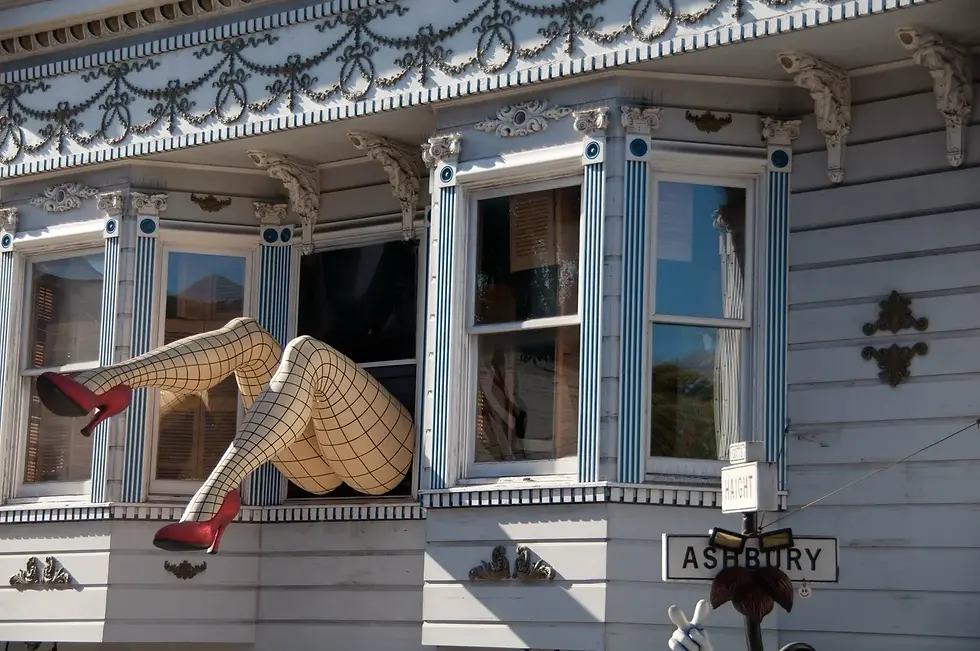
Ornate Victorian house in Haight-Ashbury, with decorative legs extending from an upstairs window.
FOUR DAYS
Pacific Heights, the Marina & the Golden Gate
This is a day for walkers, connecting Pacific Heights’ grand houses and neighborhood shopping streets with the Marina, Palace of Fine Arts and waterfront paths toward the Golden Gate Bridge. Expect hills early on and a substantial walk overall, with plenty of places to pause for coffee, lunch and views. If you prefer cycling, a ride across the bridge to Sausalito with a ferry return makes a separate full-day alternative.
Morning
Have breakfast on Fillmore Street around Jackson Street, where cafés, shops and residential streets give you a different introduction to San Francisco from the downtown waterfront. Browse a few blocks of Fillmore before heading north toward Broadway, then turn west to Steiner Street.
At Broadway and Steiner, you will recognize the house used in Mrs. Doubtfire. Enjoy the exterior from the sidewalk, remembering that it is a private residence. The surrounding streets are worth looking at too, with substantial homes, architectural details and glimpses of the bay between buildings.
Continue north downhill on Steiner toward Union Street. This takes you from Pacific Heights into Cow Hollow, where Union Street’s shops and cafés make a good place for a short detour. Walk a few blocks according to your interests before continuing north into the Marina District.
At Chestnut Street, turn west through one of the Marina’s liveliest shopping and dining areas. There are plenty of places for another coffee or an early lunch. I would eat here before continuing, especially if you want to spend most of the afternoon walking toward the bridge.
Follow Chestnut Street toward the Palace of Fine Arts, then take time to walk around the lagoon and beneath the monumental rotunda. The setting makes a striking change from the neighborhood streets you have just explored. From here, continue into the Presidio toward its waterfront parks.
Afternoon
Visit Presidio Tunnel Tops for its gardens, overlooks and children’s play area before heading down toward Crissy Field. The elevated viewpoints help you see how the former military grounds connect with the bay, while the paths below bring you closer to the beaches and shoreline.
Follow the waterfront west along Crissy Field toward the Warming Hut. This is one of the stretches I most enjoy in San Francisco: the bridge gradually fills more of the view, sailboats pass across the bay, and the city skyline changes behind you. Stop along the way rather than treating the bridge as the only destination.
Continue to Fort Point, directly beneath the bridge. The contrast between the brick fort and the enormous steel structure overhead is worth seeing even if you do not go inside. Check opening days if you want to explore the interior; the exterior setting can still be enjoyed when the fort is closed.
Finish at the bridge’s southern visitor area, allowing for the uphill walk from Fort Point. If you still have energy, walk a short distance onto the bridge for another perspective on the shoreline below. There is no need to cross the entire span after an already substantial walking day.
Use transit, a taxi or a ride service for the return. If your feet have had enough earlier, Crissy Field or the Warming Hut can also be your final stop.
Evening
Return to the Marina for dinner along Chestnut Street, or head to Union Street in Cow Hollow. If there is still daylight, a pause at Marina Green gives you another chance to enjoy the bay and Golden Gate Bridge views before dinner.
If you have booked an evening performance, shorten the afternoon enough to return to your hotel and freshen up. A concert, play, musical, opera or symphony performance can make a good finish, but I would plan dinner near the venue instead of fitting in another trip across town.
Otherwise, stay in the neighborhood, enjoy dinner and let the evening be less structured after a full day on foot.

Golden Gate Bridge spanning the bay, with the Marin Headlands beyond and a grassy field in the foreground.
My Tips for Your Visit
For a first visit, I would allow four or five days in San Francisco. These itineraries can each stand on their own, so choose the days that interest you and adjust them around the weather, reservations and performances. My years working on the waterfront have made a bay cruise one of my strongest recommendations, but I also love walking between neighborhoods, stopping for a meal and seeing how quickly the city changes from one street to the next. Give museums and gardens enough time, and use transit or a ride when the distances and hills become tiring. Save the rental car for exploring beyond the city, with extra nights for places such as Yosemite, Mendocino and Lake Tahoe.
