

Venice See & Do
Explore monumental palaces, richly layered churches, historic markets, major art collections and Venice’s extraordinary waterways.
OVERVIEW
Sights Worth Exploring
Begin with the places that interest you most: the state rooms of Doge’s Palace, St. Mark’s mosaics, a modern-art collection or the workshops of Murano. Venice rewards depth more than a long checklist. Group sights by neighborhood and leave space for the walks and waterbus journeys that connect them.
Paid Link Browse Venice activities and tours.
LANDMARKS & SIGHTS
Attractions to Explore
Doge’s Palace and St. Mark’s Basilica stand together on Piazza San Marco. Rialto is a separate stop on the Grand Canal, while the Jewish Ghetto is in Cannaregio. Group these visits by location and admission time; an early walk through San Marco does not mean the palace or basilica is open for sightseeing.
Doge's Palace
The Palazzo Ducale is one of my favorite palace visits anywhere in Europe. Its elaborate state rooms demonstrate the wealth and political power of the Venetian Republic, while the route through the building reveals a darker side of government as you move toward the prisons. It is far more than an ornate palace and deserves time rather than a rushed walkthrough.
Tip: Reserve ahead and combine it with San Marco early or late in the day.
Basilica di San Marco
St. Mark's Basilica is the extraordinary religious centerpiece of Venice, facing the piazza that bears its name. Its domes, mosaics and richly layered architecture reflect Venice's historic connections between Western Europe and the eastern Mediterranean.
Reserve basilica admission ahead and check which areas your ticket includes. Access to additional spaces is not necessarily part of basic admission. Shoulders and knees must be covered, and sightseeing access follows the church’s service schedule.
Basilica entry: Current tickets are named, and visitors must bring valid identification. Follow the booked entry time and the official entry and dress requirements.
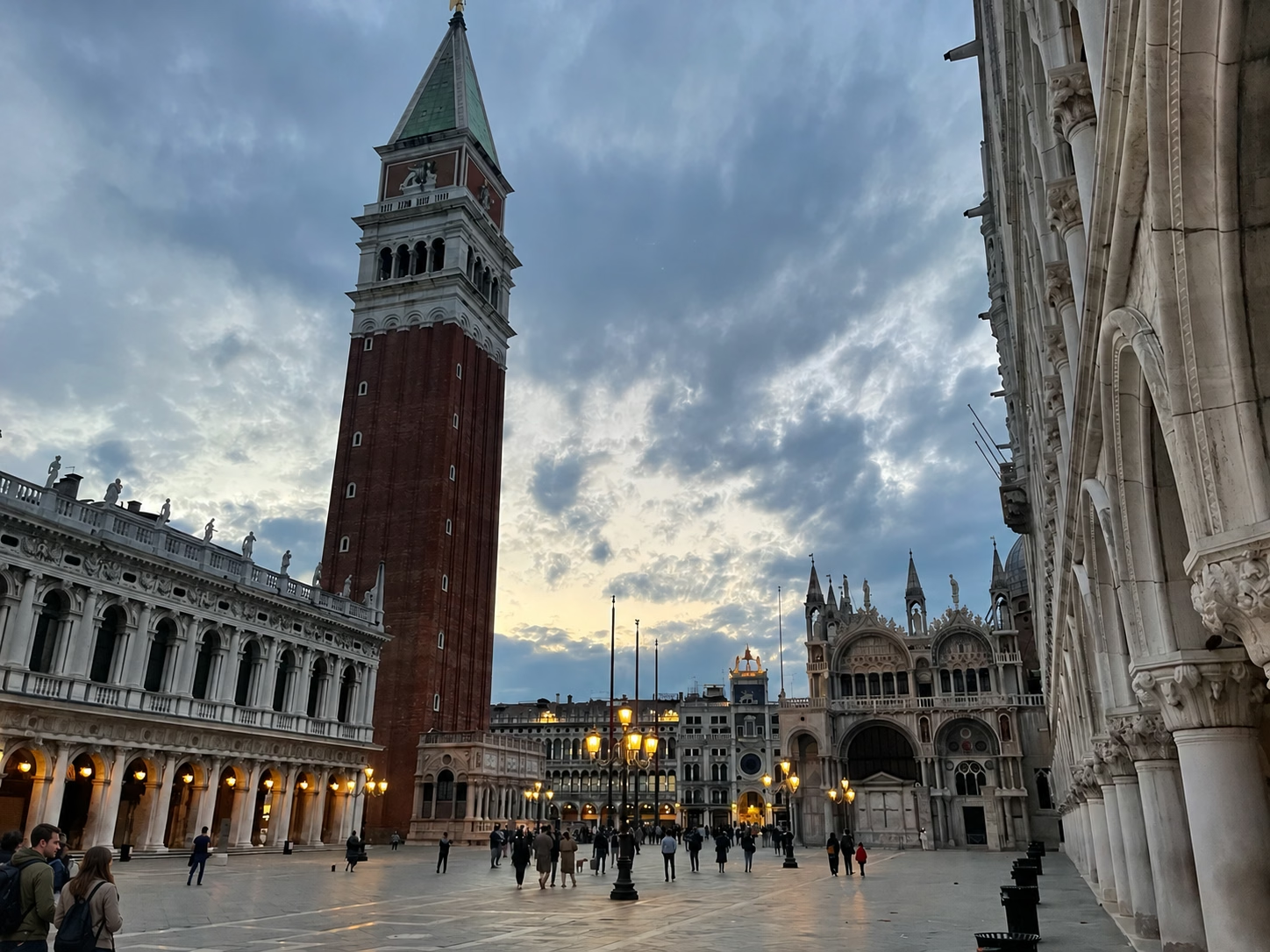
Doge's Palace and St Mark's Basilica
Rialto Bridge
The Rialto is one of Venice's essential crossings and one of its busiest bottlenecks. The view along the Grand Canal is wonderful, but I also enjoy exploring the market side and nearby lanes rather than treating the bridge purely as a photo stop. Look around the San Polo side for workshops and shops connected with Venetian crafts and masks.
Tip: Visit early, then continue into San Polo and the nearby market streets.
Grand Canal
The Grand Canal is Venice's great ceremonial avenue, except that it is made of water. Historic palaces line both sides while vaporetti, taxis, delivery boats and gondolas create a constant stream of traffic.
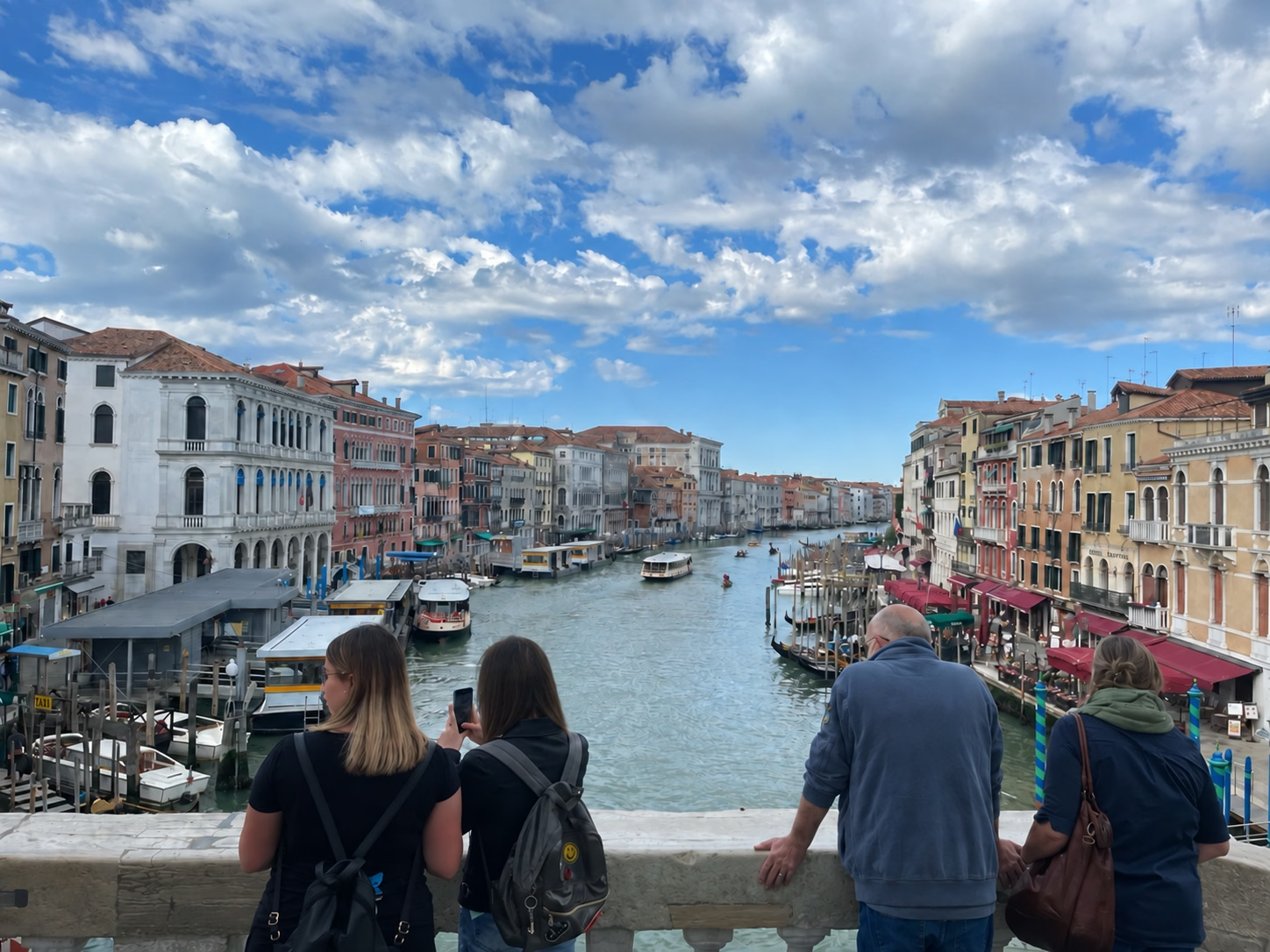
Grand Canal viewed from Rialto Bridge
Ghetto Ebraico
Venice's historic Jewish Ghetto is an important counterpoint to the palaces and churches that dominate many itineraries. Located in Cannaregio, it tells part of the story of Jewish life in Venice and of the restrictions historically imposed upon the community. I also enjoy the quieter character of the surrounding neighborhood.
Rialto Market
The Rialto markets provide a glimpse of Venice as a working city rather than simply a visitor destination. I particularly enjoy seeing the seafood and produce displays and the activity surrounding them. The fish market operates Tuesday to Saturday; the produce market operates Monday to Saturday. Go in the morning. From Santa Lucia, cross the Ponte degli Scalzi and walk through Santa Croce and San Polo to reach the market before crossing Rialto Bridge.
Ghetto visits: Walking the district and entering a synagogue are separate experiences. Check the official museum and synagogue visitor information for current tours, religious-day closures and museum reopening updates.
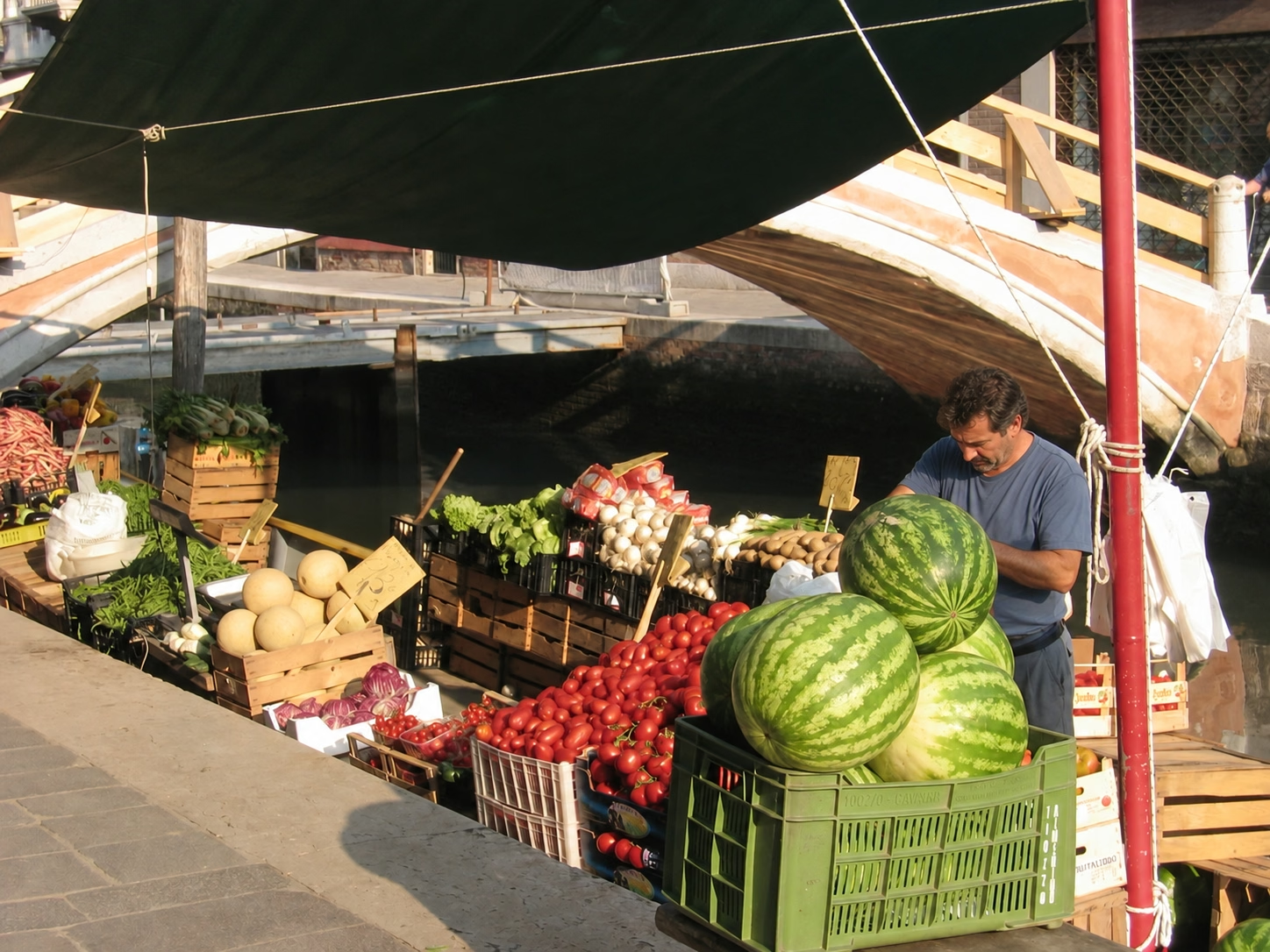
Rialto Market seafood and produce stalls
ART & CULTURE
Museums & Cultural Experiences
Choose by collection: the Accademia for Venetian painting, the Peggy Guggenheim Collection and Ca’ Pesaro for modern art, Museo Correr for the city’s history, or the Glass Museum for Murano’s craft. Palazzo Grassi hosts changing contemporary exhibitions. Check opening days before planning a museum route, particularly the Guggenheim’s Tuesday closure.
Peggy Guggenheim Collection
The Peggy Guggenheim Collection is one of my favorite cultural stops in Venice. Housed in the Palazzo Venier dei Leoni on the Grand Canal, the museum offers a concentrated collection of modern art in a setting that feels manageable compared with some of Europe's enormous museums. It also fits beautifully into a day exploring Dorsoduro.
Tip: The collection closes on Tuesdays. Combine a visit on another day with Dorsoduro and the Salute.
Museo Correr
Located directly on Piazza San Marco, the Museo Correr provides historical and artistic context for the city beyond the monuments outside its windows. Collections explore Venetian history, art and civic life, making it particularly useful for visitors interested in understanding the republic behind the palaces and ceremonial spaces.
Plan your visit: Peggy Guggenheim opening days and timed entry.

Peggy Guggenheim Collection beside the Grand Canal
Murano Glass Museum
Murano's Museo del Vetro explores the long history of glassmaking that made the island internationally famous. I particularly enjoy combining a museum visit with walking around Murano and watching artisans work with glass. Arrange any workshop demonstration separately; it is not automatically included in museum admission.
Tip: Make Murano a half-day experience rather than visiting only a glass shop.
Ca' Pesaro
Ca' Pesaro brings modern art into one of the grand Baroque palaces lining the Grand Canal. The International Gallery of Modern Art offers a very different cultural experience from Venice's Renaissance churches and historic interiors.
Tip: Include it when exploring Santa Croce and the quieter upper Grand Canal.

Canal on Murano lined with boats and colorful buildings, with a lighthouse overlooking the waterfront
Palazzo Grassi
Palazzo Grassi is another example of Venice continually layering contemporary culture onto its historic architecture. The palace on the Grand Canal is used for major contemporary exhibitions, creating an intentionally different experience from the city's traditional museums. Check the current exhibition before deciding how much time to allow.
Murano Glassmaking
Watching glassblowers work on Murano makes the island's artistic heritage tangible. Furnaces, workshops and showrooms continue a tradition associated with Venice for centuries. I enjoy watching the process as much as looking at finished pieces, particularly when combined with time exploring Murano’s canals. Arrange demonstrations with individual workshops and check any charge or booking requirement.
Gallerie dell’Accademia
For Venetian painting, the Gallerie dell’Accademia in Dorsoduro provides an essential complement to the city’s modern-art museums. Its historic collections make a rewarding choice if you want more context for the artists and visual traditions encountered in Venice’s churches and palaces. Combine it with a neighborhood walk rather than rushing between several large museums.

Grand Canal near the Accademia Bridge on a moody and quiet day
Final Thoughts
For a practical museum day, group the Accademia and Peggy Guggenheim Collection with Dorsoduro, or Museo Correr with San Marco. Check current exhibitions before choosing Palazzo Grassi, and arrange any Murano glassblowing demonstration separately from the Glass Museum. Allow for waterbus travel when adding an island visit.