
Nuremberg Travel Tips
Plan Nuremberg confidently with seasonal advice, straightforward rail and airport access, efficient transit and practical local guidance.
OVERVIEW
Before You Go
Nuremberg is easy to explore independently once you combine walking in the Altstadt with public transport to the outer districts. The main station sits beside the city walls, and the airport has a direct U-Bahn connection. The main planning choices are when to visit, where to stay and how much time to allow for museums. This guide covers arrivals, getting around, payments and seasonal conditions, including the busy Advent period and the hills and cobblestones around the castle.
THROUGH THE YEAR
When to Visit
Spring and autumn suit long walks through the Old Town and beside the Pegnitz. Summer adds outdoor dining, festivals and longer evenings, although hot days call for breaks in the shade. Advent brings the Christkindlesmarkt and much larger crowds; January and February are quieter. Choose your season according to whether you prefer outdoor time, major events or museums, and check specific event dates before booking.
Climate averages: DWD, Nürnberg airport station, 1991–2020; city-center conditions can differ. The ranges below show the monthly average daily lows and highs across each season, not temperature extremes. Wet days mean at least 1 mm (0.04 inch) of precipitation.
SPRING
March–May
Spring changes from chilly March mornings to much milder May afternoons, with rain still possible throughout the season.
Climate: Average monthly lows 0–8°C (33–46°F); highs 10–20°C (50–68°F). About 7–9 wet days per month.
Seasonal highlight: The spring Volksfest usually falls around Easter. Greener Pegnitz riverbanks and the return of outdoor cafés make later spring rewarding for walking.
Outdoors and clothing: Pack layers and a light waterproof jacket for the Altstadt. Choose shoes with grip for cobbles and castle paths, with a museum as a wet-weather alternative.
Green riverbanks, outdoor cafés and changeable weather.
SUMMER
June–August
Warm days and cooler nights suit outdoor sightseeing, though hot spells and occasional thunderstorms can interrupt plans.
Climate: Average monthly lows 11–13°C (53–56°F); highs 23–25°C (74–77°F). About 9–11 wet days per month.
Seasonal highlight: Bardentreffen fills Old Town squares and courtyards with music in late July or early August. Check festival dates before reserving accommodation.
Outdoors and clothing: Carry water and sun protection, and keep a rain layer handy. Use shaded Pegnitz paths or lakeside green spaces for breaks from hot paved squares.
Long days, outdoor dining and Rock im Park in June.
FALL
September–November
September can be mild, but mornings and evenings cool down as the season progresses. November is much colder and daylight is shorter.
Climate: Average monthly lows 2–9°C (35–48°F); highs 8–20°C (46–68°F). About 8–9 wet days per month.
Seasonal highlight: Autumn foliage around the castle and river is a highlight I particularly enjoy. Fürth’s Michaelis-Kirchweih makes a nearby early-autumn outing; check the year’s dates.
Outdoors and clothing: Bring a warmer layer and waterproof jacket for river walks. Start earlier and wear shoes with grip on wet leaves and cobbled streets.
Colorful foliage, cooler walks and Michaelis-Kirchweih.
WINTER
December–February
Winter is cold and often gray, with nights below freezing and possible frost or snow. January and February are quieter after Advent.
Climate: Average monthly lows −3–−1°C (28–30°F); highs 4–5°C (38–42°F). About 8–10 wet days per month.
Seasonal highlight: The Christkindlesmarkt fills the Hauptmarkt from late November into December. Book ahead for Advent, then use quieter weeks for museums.
Outdoors and clothing: Dress warmly for standing outdoors, with gloves and sturdy shoes. Castle approaches and cobblestones can be slippery in wet or icy weather.
Christkindlesmarkt in December and quieter museums afterward.

Autumn foliage below Nuremberg Kaiserburg
Travel Essentials
Start by choosing accommodation and checking the opening days of your priority museums. Staying within or beside the Altstadt makes most central sights easy to reach on foot. Public transport connects the center with the airport, Fürth and attractions farther out. Carry some euros for smaller purchases, and compare transport tickets with your planned journeys before buying a pass.
Getting There
Nürnberg Hauptbahnhof is immediately outside the southeastern Old Town walls, making arrival by train particularly convenient. Long-distance and regional services connect the city with other German destinations. Nuremberg Airport has a direct U2 connection to the main station. If arriving by car, check your hotel's parking arrangements and use a garage outside the pedestrian streets. For a Munich excursion, compare journey times and fares: ICE services are faster, while regional trains may suit an existing pass.
Getting Around
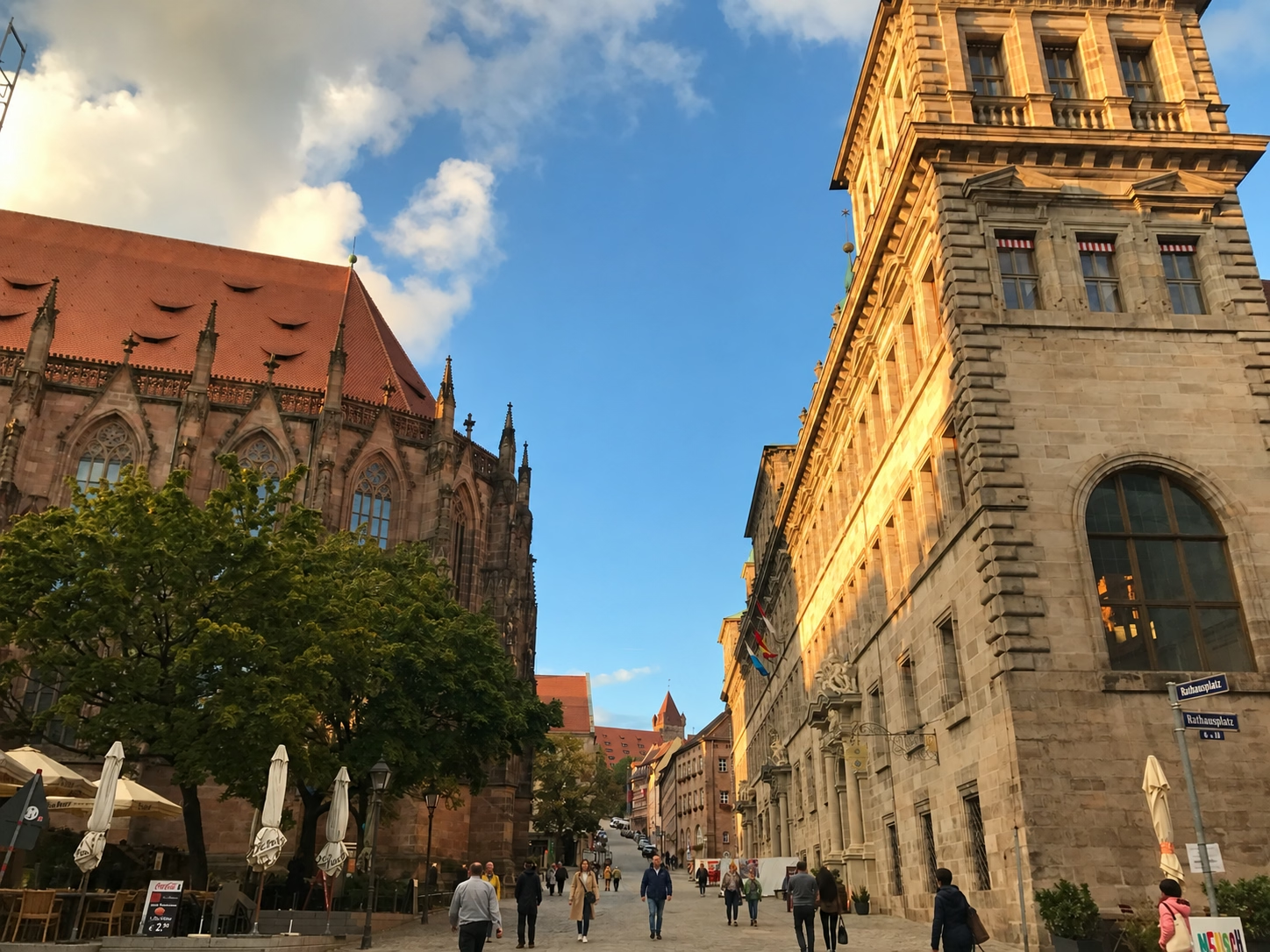
Nuremberg is exceptionally walkable, and I think walking is also the best way to experience it. Much of the historic center lies within the medieval walls, with the Kaiserburg, Hauptmarkt, major churches, museums, shopping streets and Pegnitz all relatively close together. Distances are short enough that you can wander rather than constantly thinking about transportation. Don't underestimate the hills and cobblestones, however. The Old Town rises noticeably toward the castle, and some historic streets can be tiring if you have limited mobility or spend an entire day sightseeing. For longer distances, Nuremberg has an excellent combination of U-Bahn, trams and buses.
Use the VGN journey planner and city ticket information for the correct fare. For several rides around Nuremberg and Fürth, compare TagesTicket Solo with TagesTicket Plus. The Plus ticket covers up to six people, with no more than two aged 18 or over. A Saturday-valid TagesTicket also covers Sunday under the current rules. Choose the coverage for your actual route; a city ticket does not automatically cover a trip farther into Franconia.
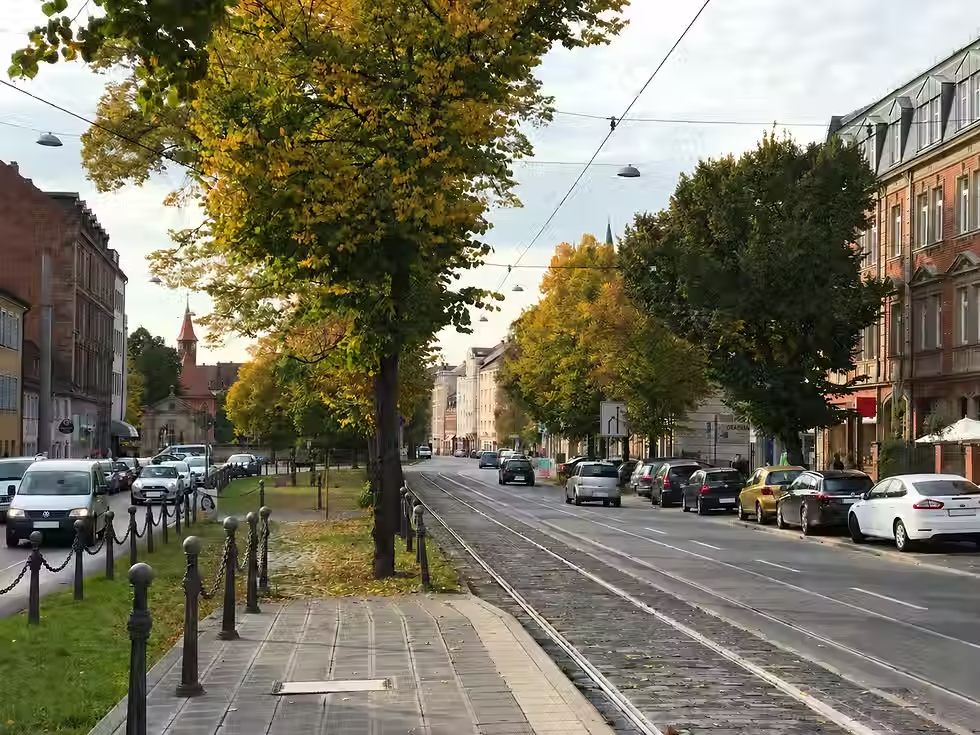
Tram tracks run along a tree-lined street in Nuremberg, with parked cars and historic buildings.
Money & Payments
Germany uses the euro. Cards are widely accepted at larger hotels, shops and museums, but payment options vary at smaller businesses. Carry some cash for market stalls, bakeries and festivals, and check before ordering if you plan to pay by card. Use an ATM operated by an established bank when convenient and review any withdrawal fee before accepting it. There is no need to carry a large amount of cash for everyday sightseeing.
Weather & What to Pack
Expect changeable weather rather than reliably dry sightseeing days. Spring and autumn can bring cool mornings and rain, while summer may be hot with occasional thunderstorms. Winter is often cold and gray, with possible frost or snow. Bring layers, a waterproof outer layer and comfortable shoes with good grip. The castle approach and cobbled streets can be slippery in wet or icy conditions. Check the forecast shortly before traveling.
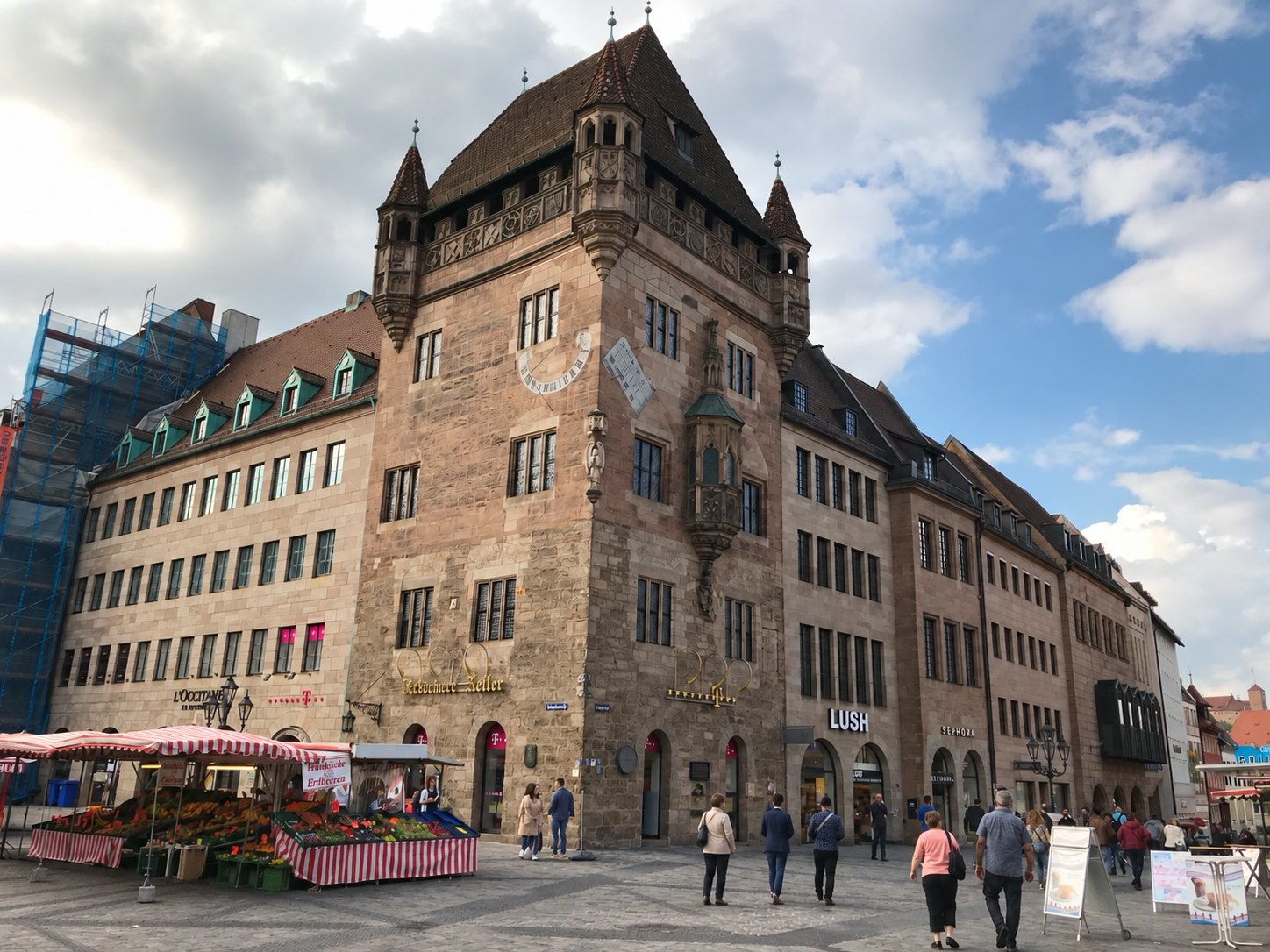
Pedestrians and flower stalls beside the historic Nassauer Haus in Nuremberg’s Old Town.
Local Customs & Etiquette
Nuremberg is relaxed and welcoming, and visitors should find it easy to navigate socially. A simple Hallo or Guten Tag when entering a smaller shop, café or restaurant is customary, while Danke is always appreciated. English is widely understood in tourism-related settings, but making even a small effort to use German is generally well received. It is worth remembering that Nuremberg is in Franconia. Although Franconia is politically part of Bavaria, its food, beer, dialect and traditions have their own identity and are quite different from those associated with Munich and Upper Bavaria.
Good to Know
Most shops close on Sundays and public holidays, with exceptions such as some station businesses. Museum closing days vary, so check each venue rather than assuming they all follow the same pattern. Franconia has its own food, beer, wine and traditions within Bavaria. For popular events, timed museum visits and cellar tours, arrange the important bookings before filling the rest of your day.
Arrange the museum days around the calendar: the DB Museum normally closes on both Mondays and Tuesdays, the Memorium Nuremberg Trials on Tuesdays, and the Germanisches Nationalmuseum on Mondays. Check each museum’s public-holiday exceptions before fixing the order.
Final Thoughts
Stay near the Altstadt, walk when the route suits you and use public transport for longer distances. Check museum closing days and event dates before fixing your itinerary. For trips farther afield, compare the actual timetable and ticket options rather than assuming the fastest train is always the best choice.